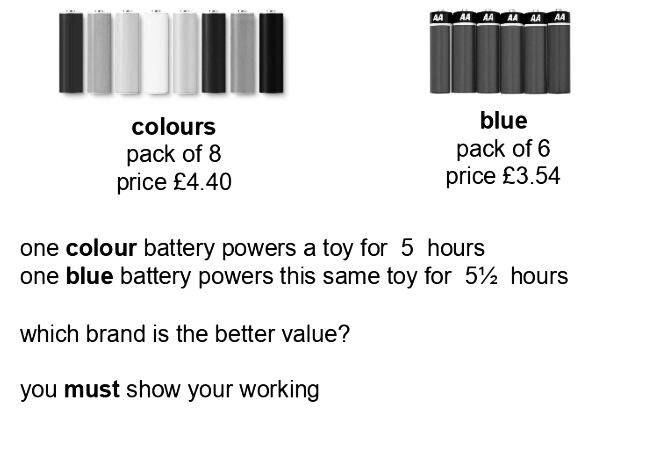
All sorts of methods here, slight change on the usual £ for so many batteries and £ for a different amount, which is better? This adds in another factor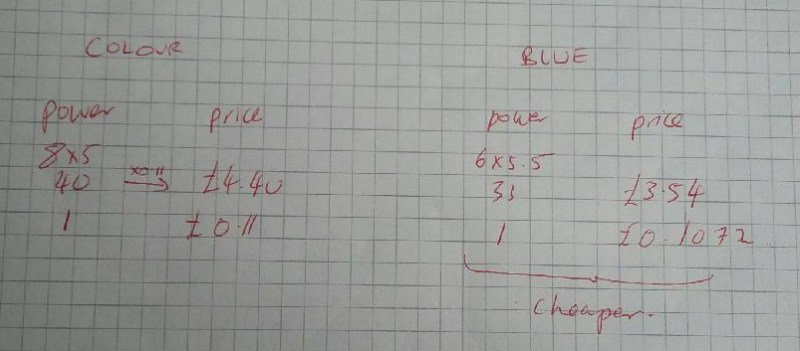
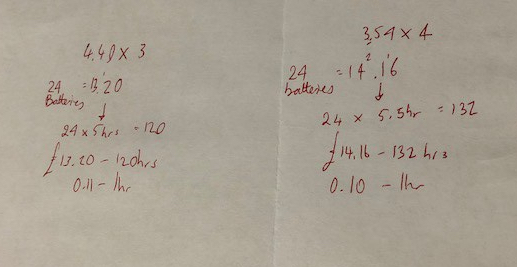
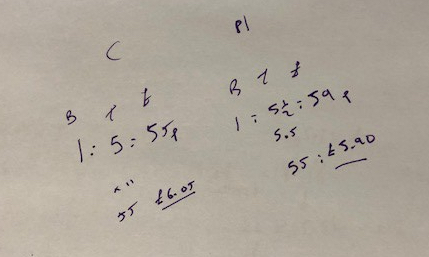

All sorts of methods here, slight change on the usual £ for so many batteries and £ for a different amount, which is better? This adds in another factor
I wanted to introduce my year 8 class to Geometric Sequences. I had originally planned to show them a task similar to the task I had used for Quadratic Sequences:
https://mathshko.wordpress.com/2018/04/24/quadratic-sequences/
but then last minute i changed my mind and thought i would given them a starter based on Sierpinskis Triangle. My decision to switch was partly down to the fact i wanted them to have an opportunity to view the effect of geometric progression on an image. The task was simple; find how many triangles of each type there is in the image but it doesn’t include rotated versions of the triangle.


Students quickly spotted things about the diagram like, there was a copy of 3’s of each triangle and the connection between each number was x3. They spotted things like 3 squared was 9 and 3 cubed was 27 so the numbers were all powers of 3.
I asked students what the next term in the sequence would be and they worked out 243. One Student commented on the fact that the smallest triangles in the image would have 81 x 3 triangles because the image shown would be repeated 3 times. It was nice when a student suddenly said ‘i’ve got it! its 3 to the power of n, divide by 3’ (I hadn’t asked for a rule or anything)
As everyone in the class had time to check this general rule worked (nth term) a student noted that it would be 3 to the power but its the second term starts at 3 not the first. We then moved to discussing 3 to the power n-1
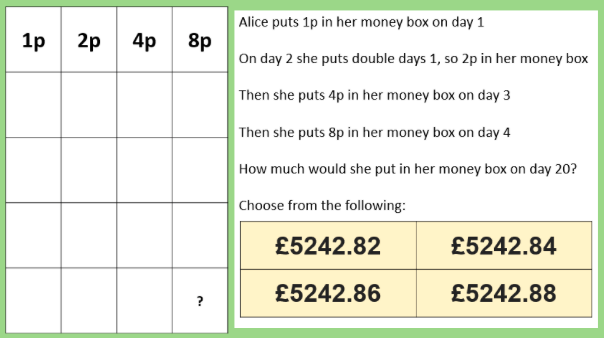
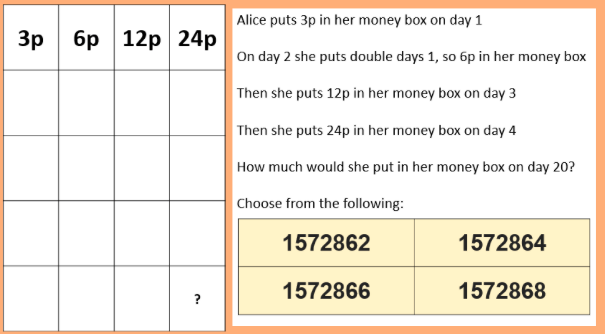
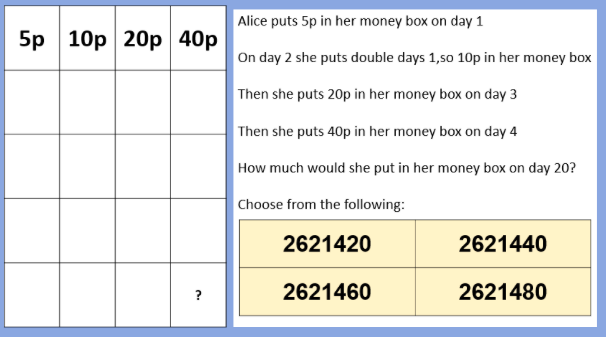
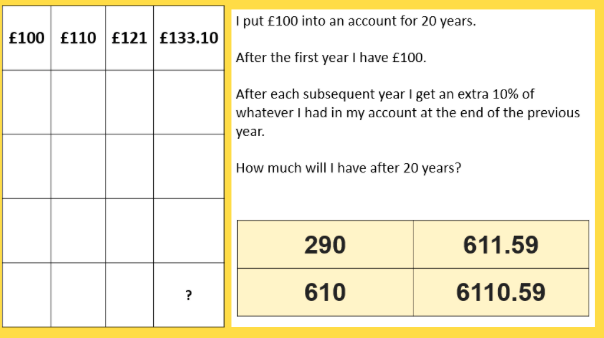
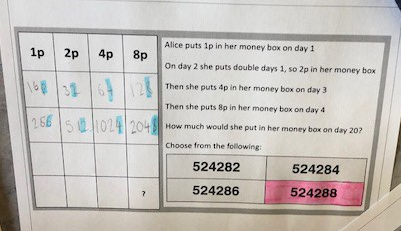
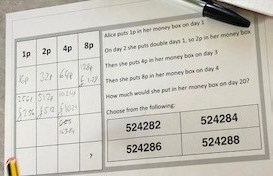
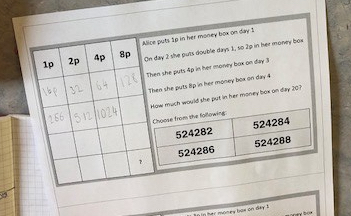
Next I gave Students the task below. Students either started to double the values or tried short cuts like; multiplying 8p by 5 as 8p was day 4 or other similar ideas. After a while a student raised their hand and realised that there was a pattern. That all the numbers in the second column ended with a 2, the third column ended with a 4 and 4th with a 8 but the 1st column had a 1 then 6 after. Her idea was soon passed around the classroom like wildfire and students discussed why it had to work and more generally what effect doubling has on numbers. Student discussion turned to the idea that the rule could be 2 to the power of n. suddenly the connection to the triangle starter was made and that the rule was in fact 2 to the power n but it needed to be halved after.
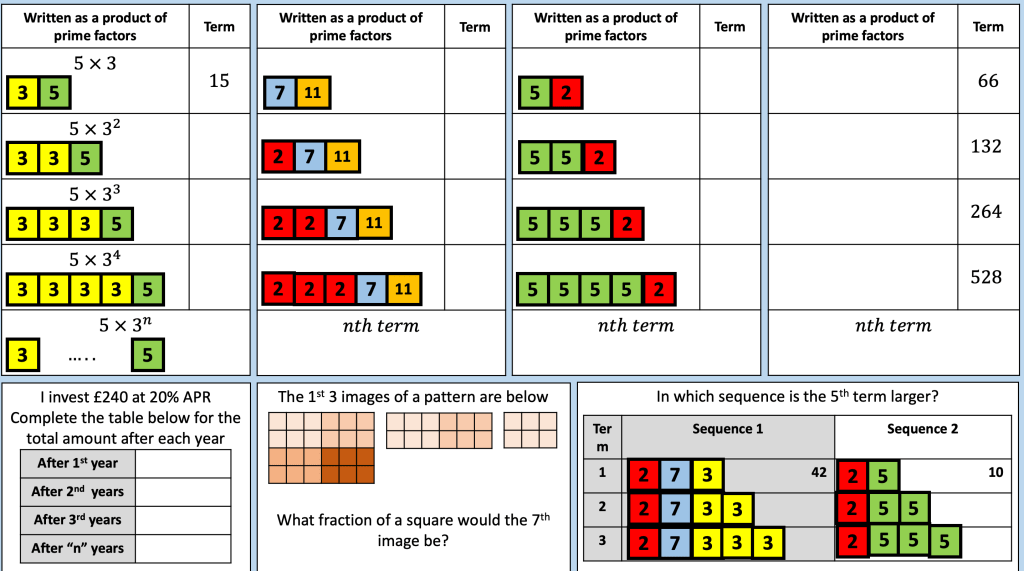
Year 10 have just sat a mock paper and I was surprised how many questions that students made more complicated by how they answered them. Students seemed to opt for formula or find things they don’t need.
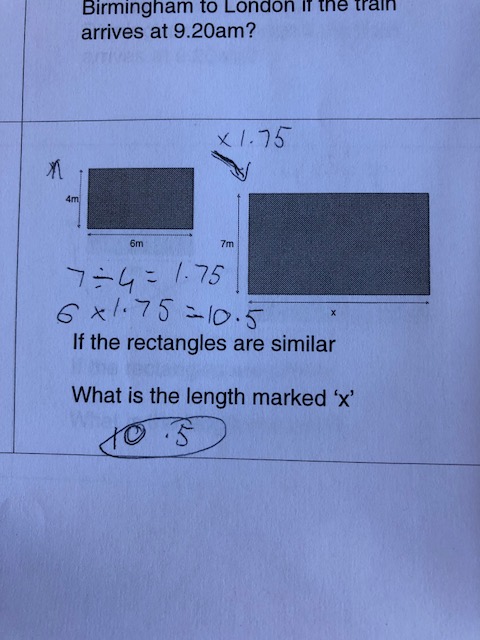
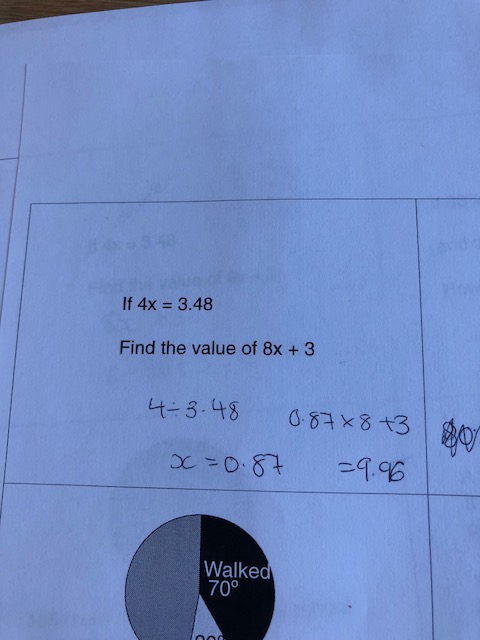
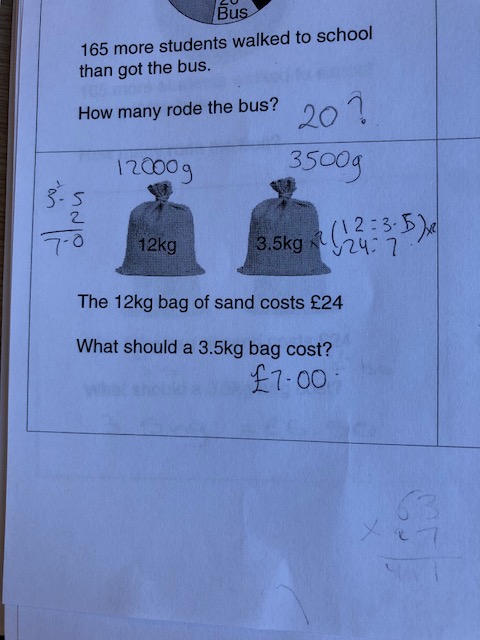
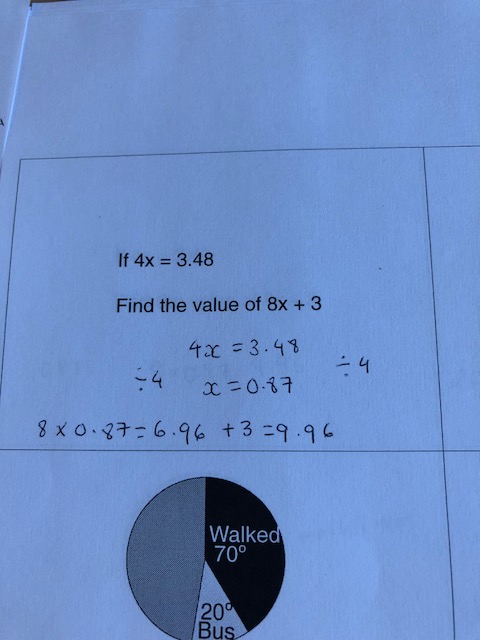
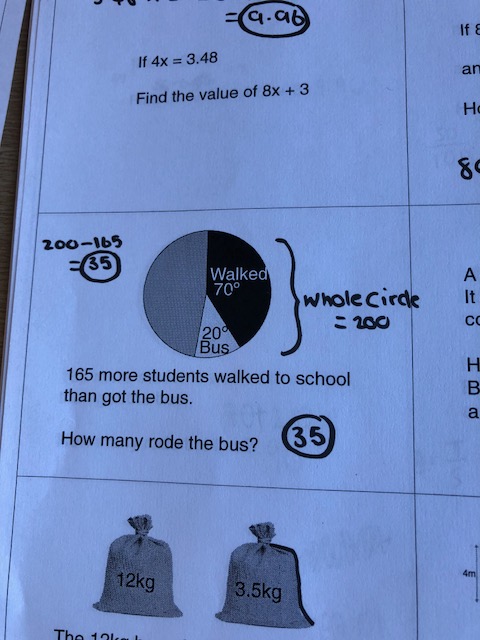
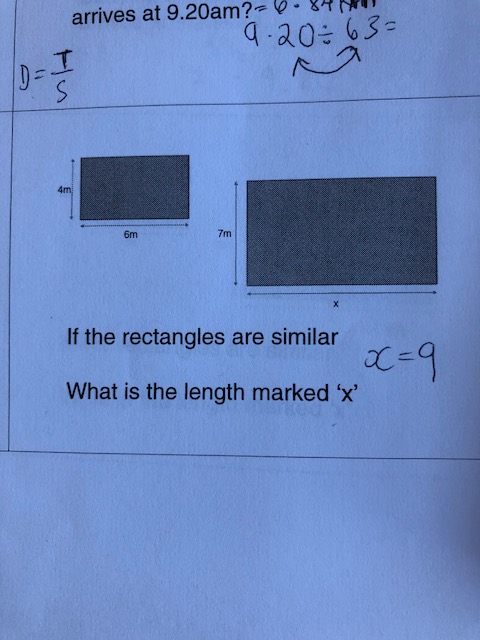
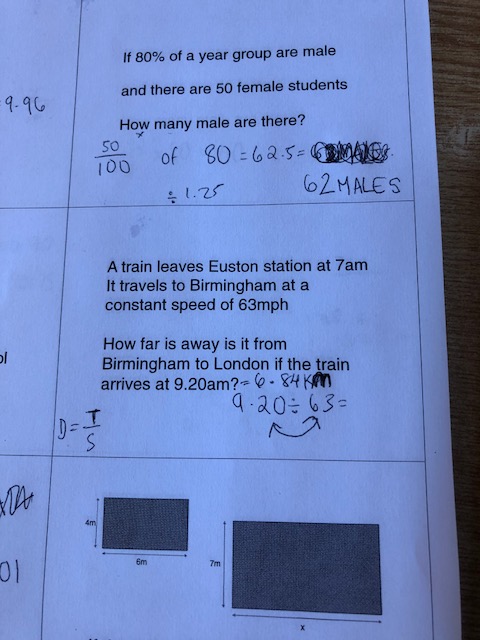
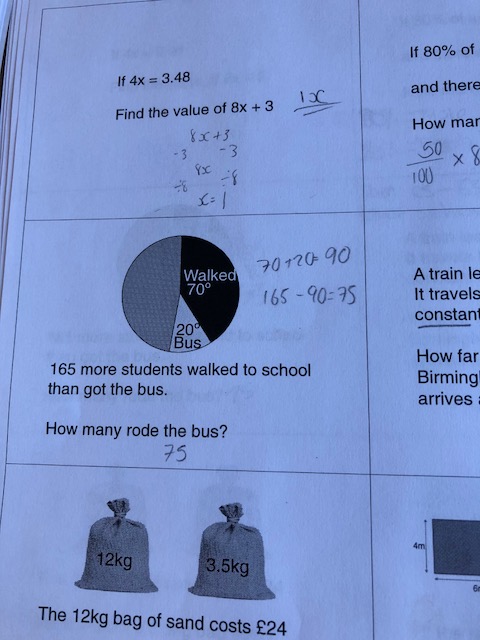
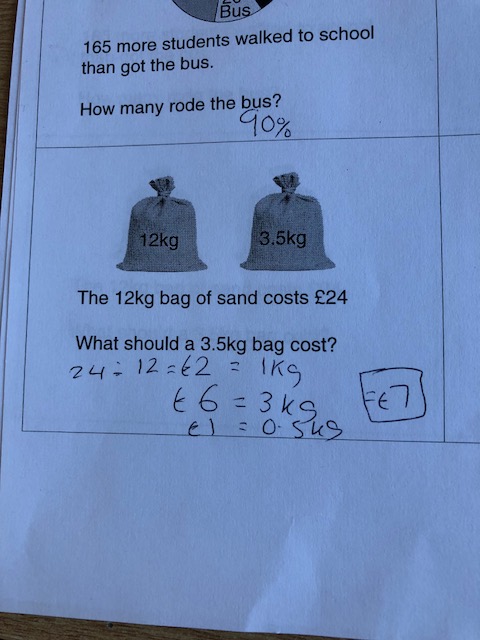
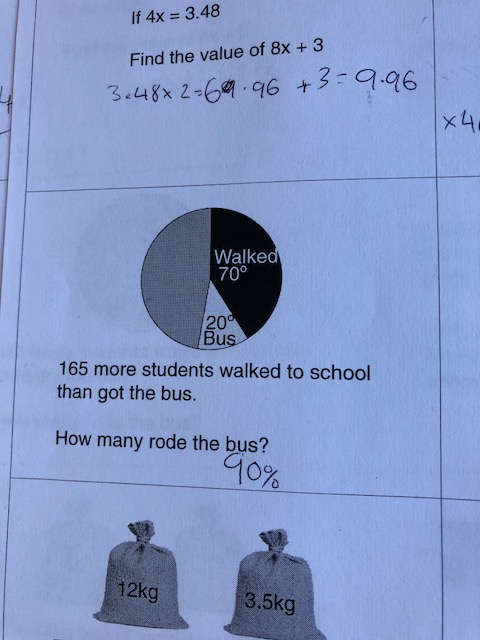
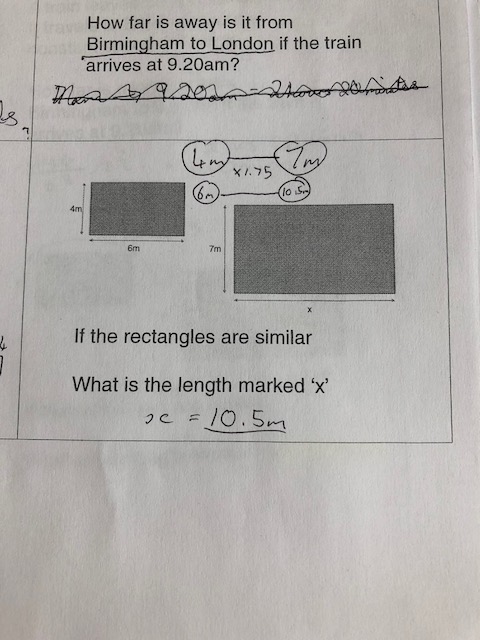
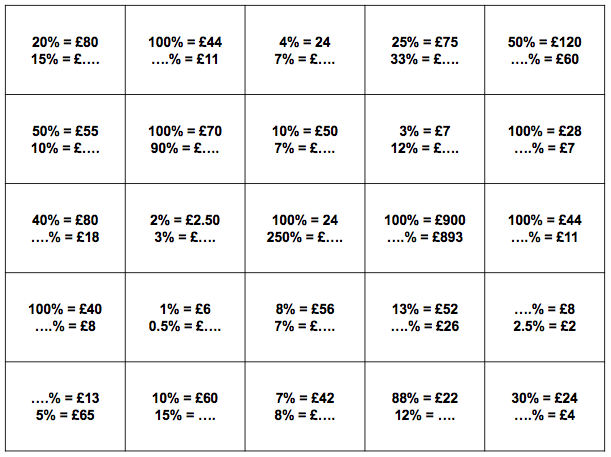
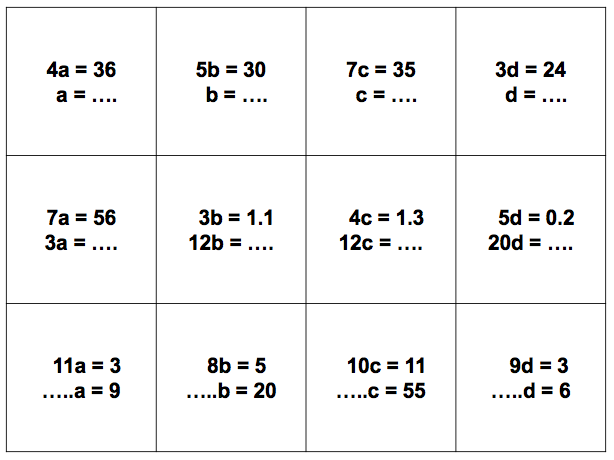
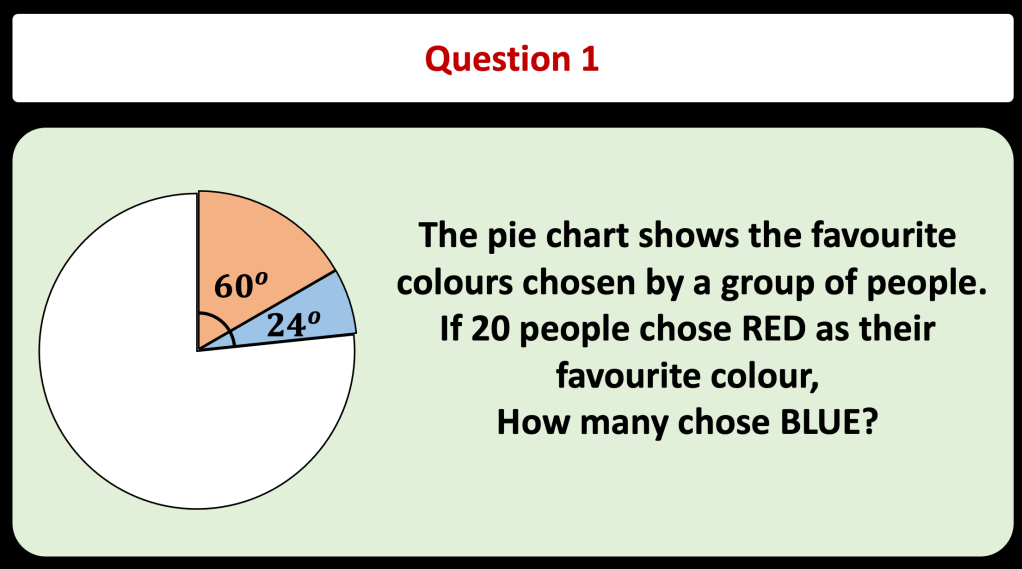
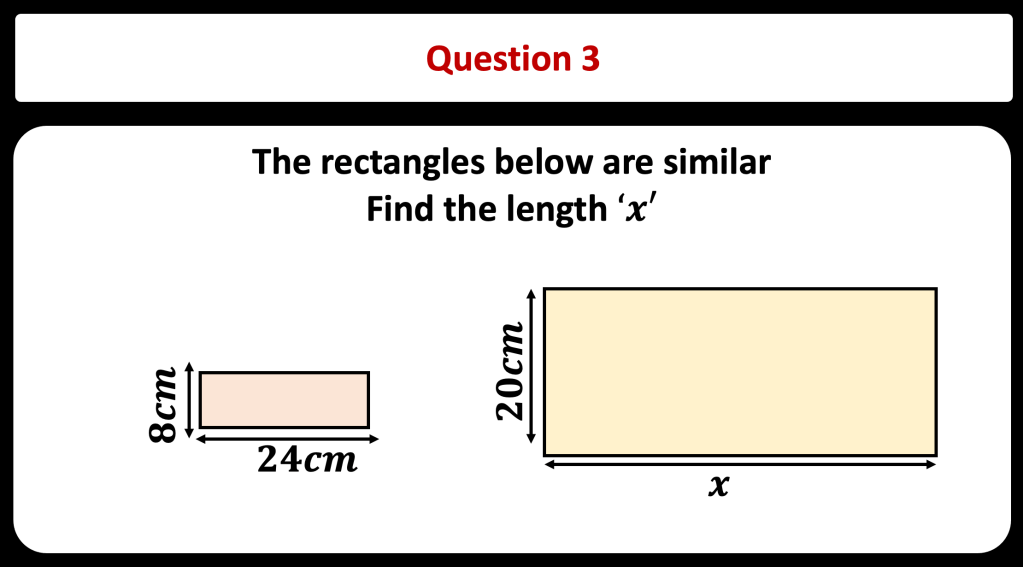
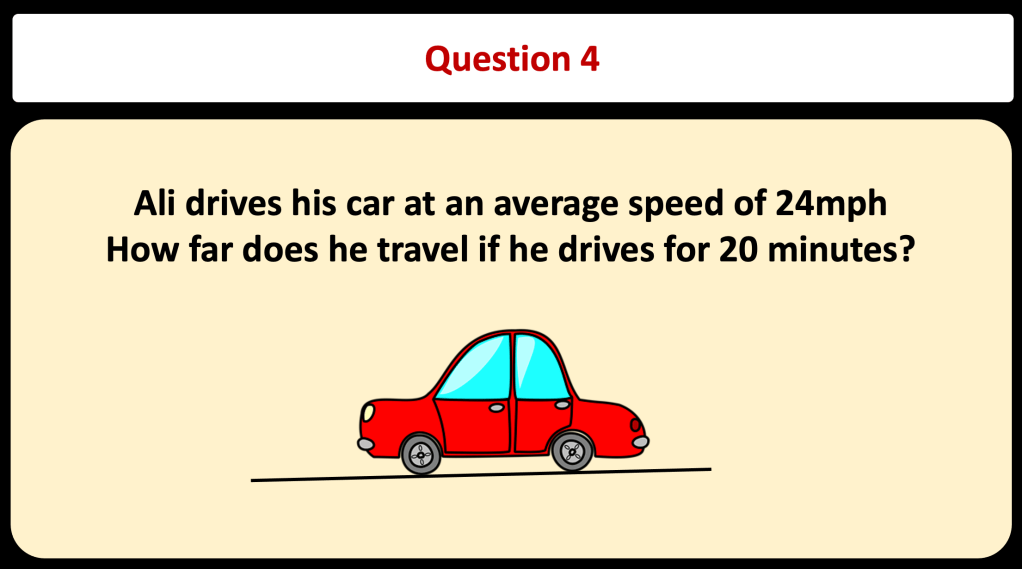
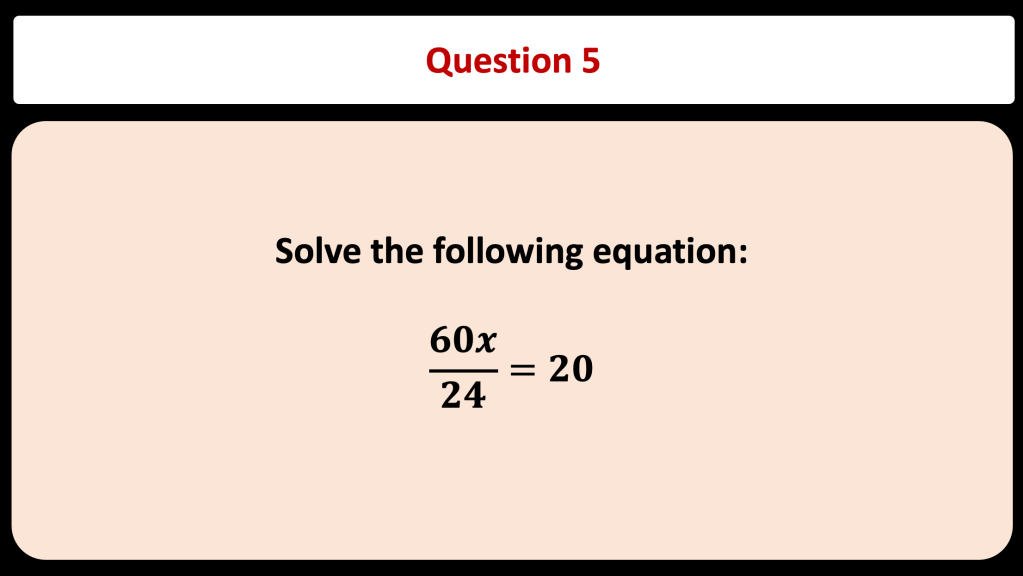
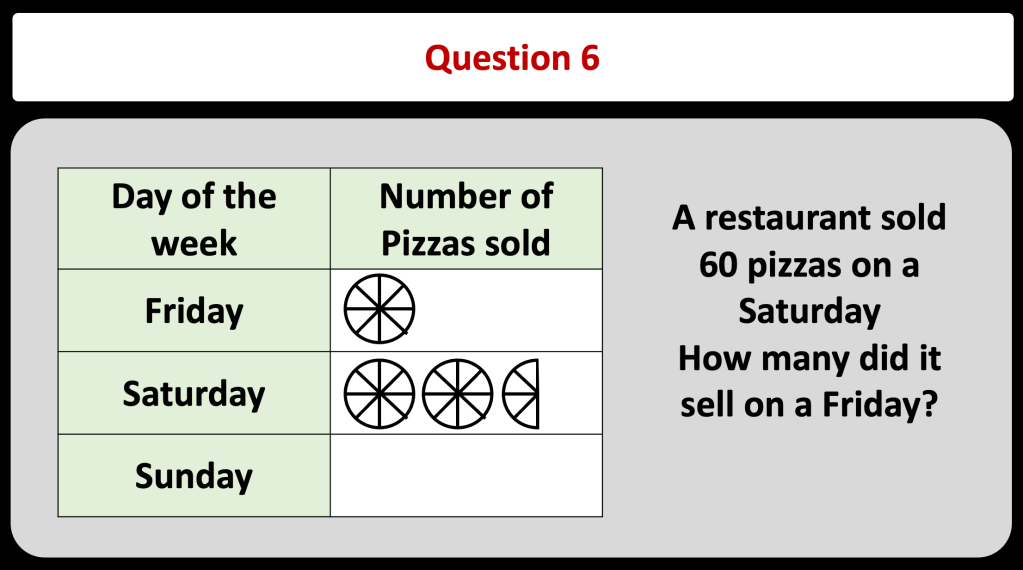
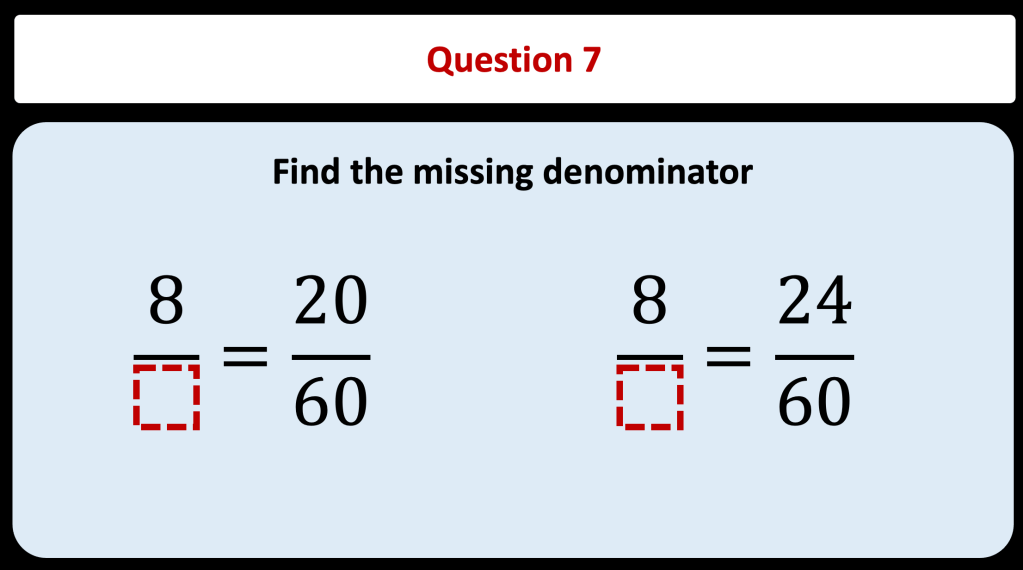
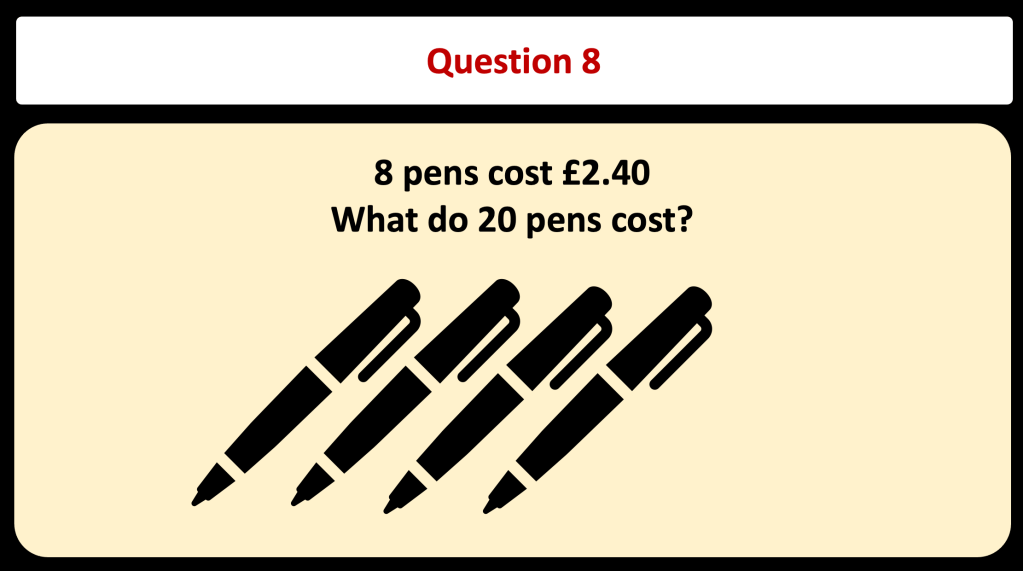
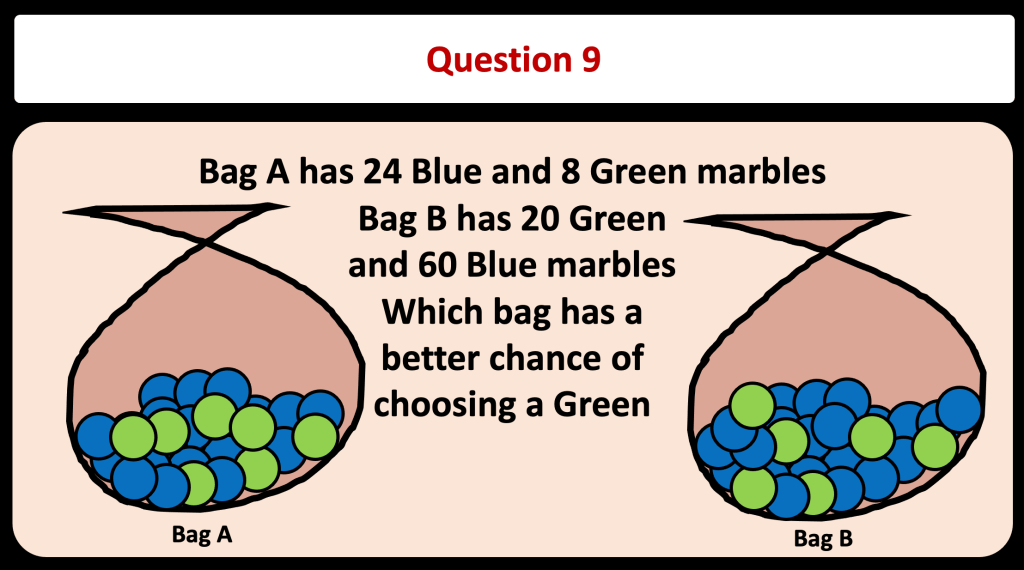
I picked out some of the types of questions students struggled with most (proportional reasoning questions) and created the following 6 questions. Here’s a pdf link if you want to try the questions with your class.

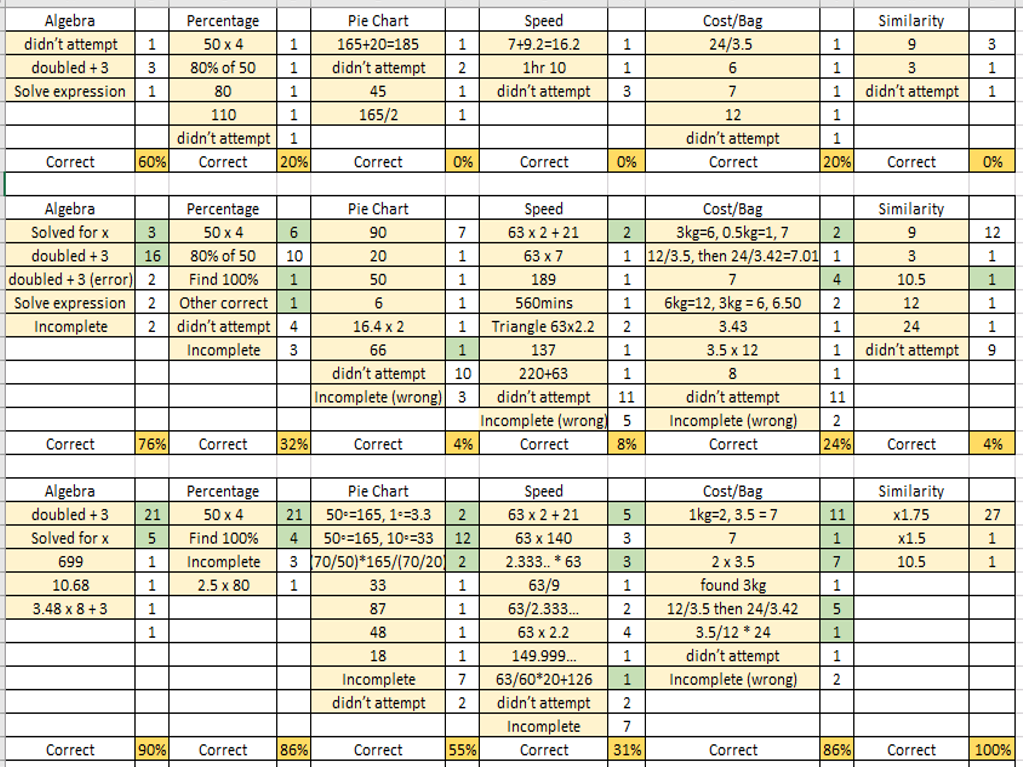
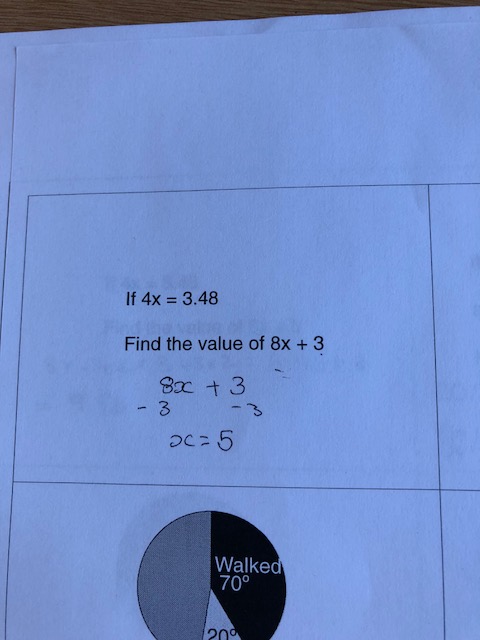
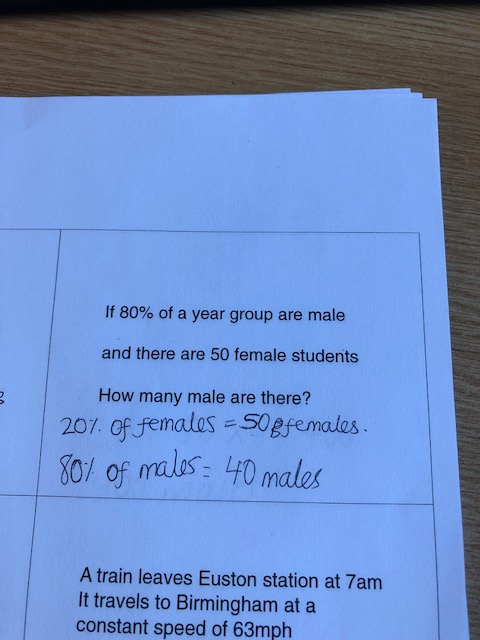
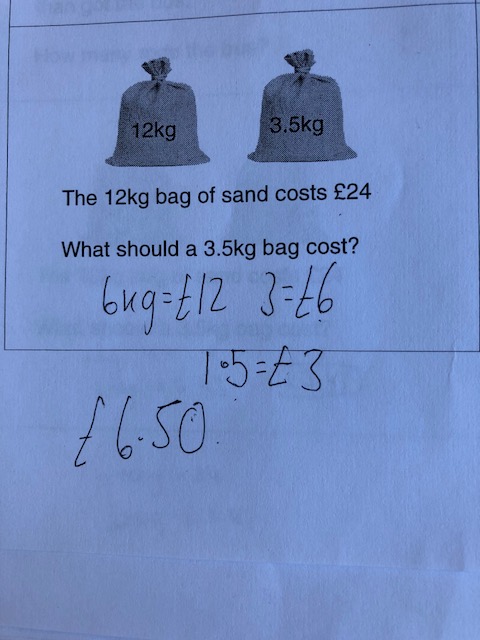
I gave the questions to a low attaining class, my own middle set class and a high attaining class to see how they each would fair. I then recorded how they answered the question and took photos of anything interesting. The percentage who answered correctly is shown for each group. The results are in order of low attaining, middle and high attaining classes. Below is a sample of some of the students responses…
I guess the next step is to look at how we can address the issues especially with middle and low attaining students. Avoid solely using ‘triangles’ and formula when teaching speed but let them see it proportionally. s=d/t might work for ‘find the average speed when you travel 145 miles in 5 hours’.
Students need to be exposed to the relationships in pie charts. if 50 degrees represent 165 people then 10 degrees represent 33 as well as 50 x 3.3 = 165 so 10 x 3.3 = 33
On the back of this exercise i created another resources for SDT
https://mathshko.wordpress.com/2018/02/06/speed-distance-time/
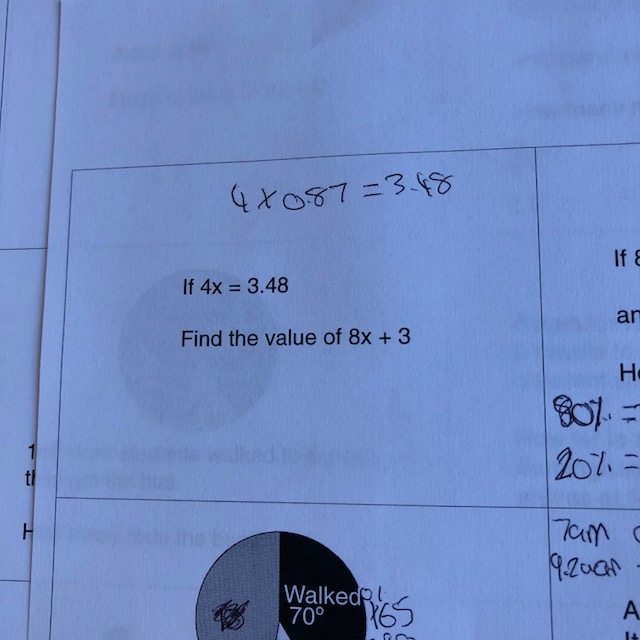
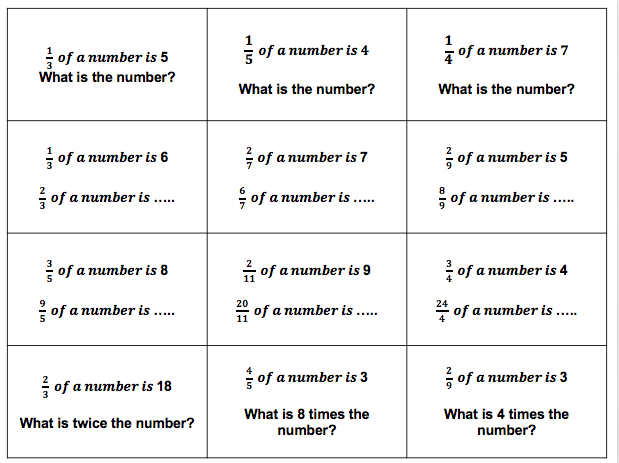
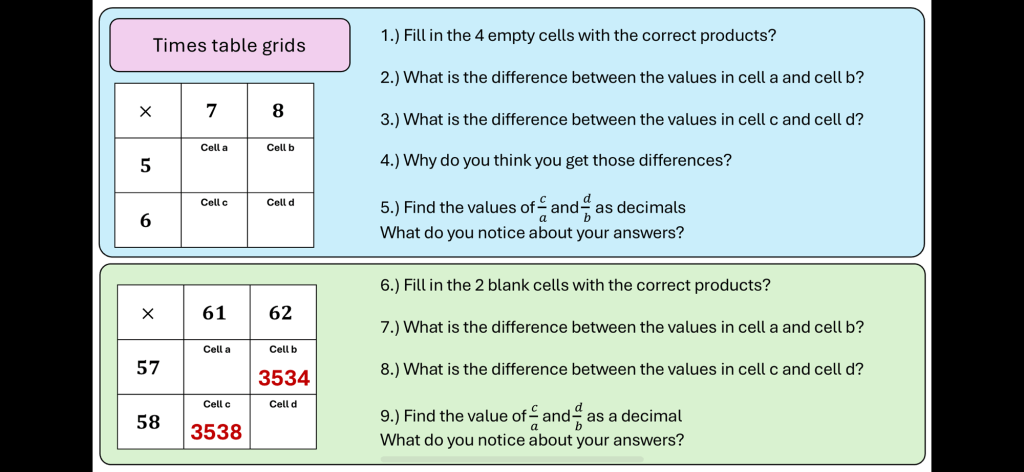
Used the activity above a few times recently. It’s interesting when the students get to 4/5 of a number is 3 what’s 8 times my number. The can’t easily use a method such as finding 1/5 then 1 whole and multiply by 8 but if they recognise that 8 is 40/5 then it’s 30 because it’s 10 lots of 4/5 and 3.


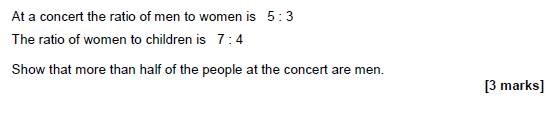
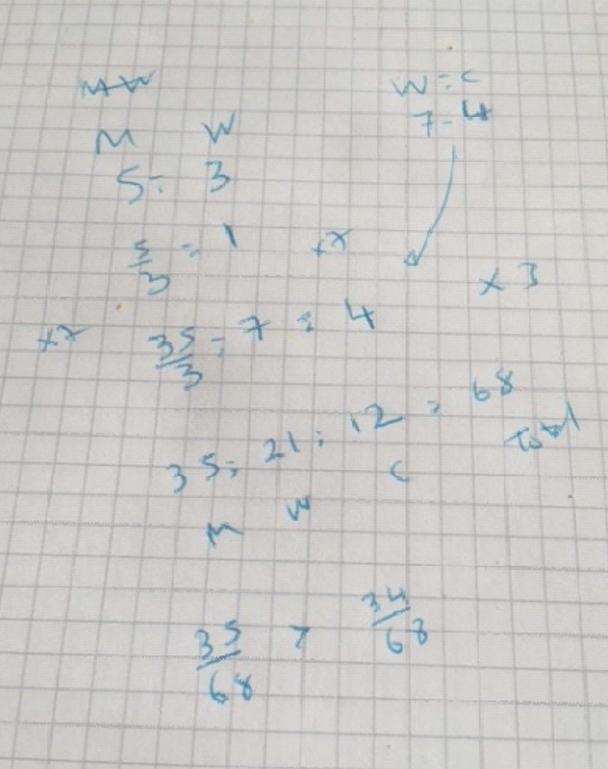
Initially ACH sent me this solution
I sent him:
5:3 = 35:21
7:4 = 21:12
35:21:12
35/68 and 33/68
I didn’t understand why he has 34 and he didn’t understand my 33
Then BLY sent:
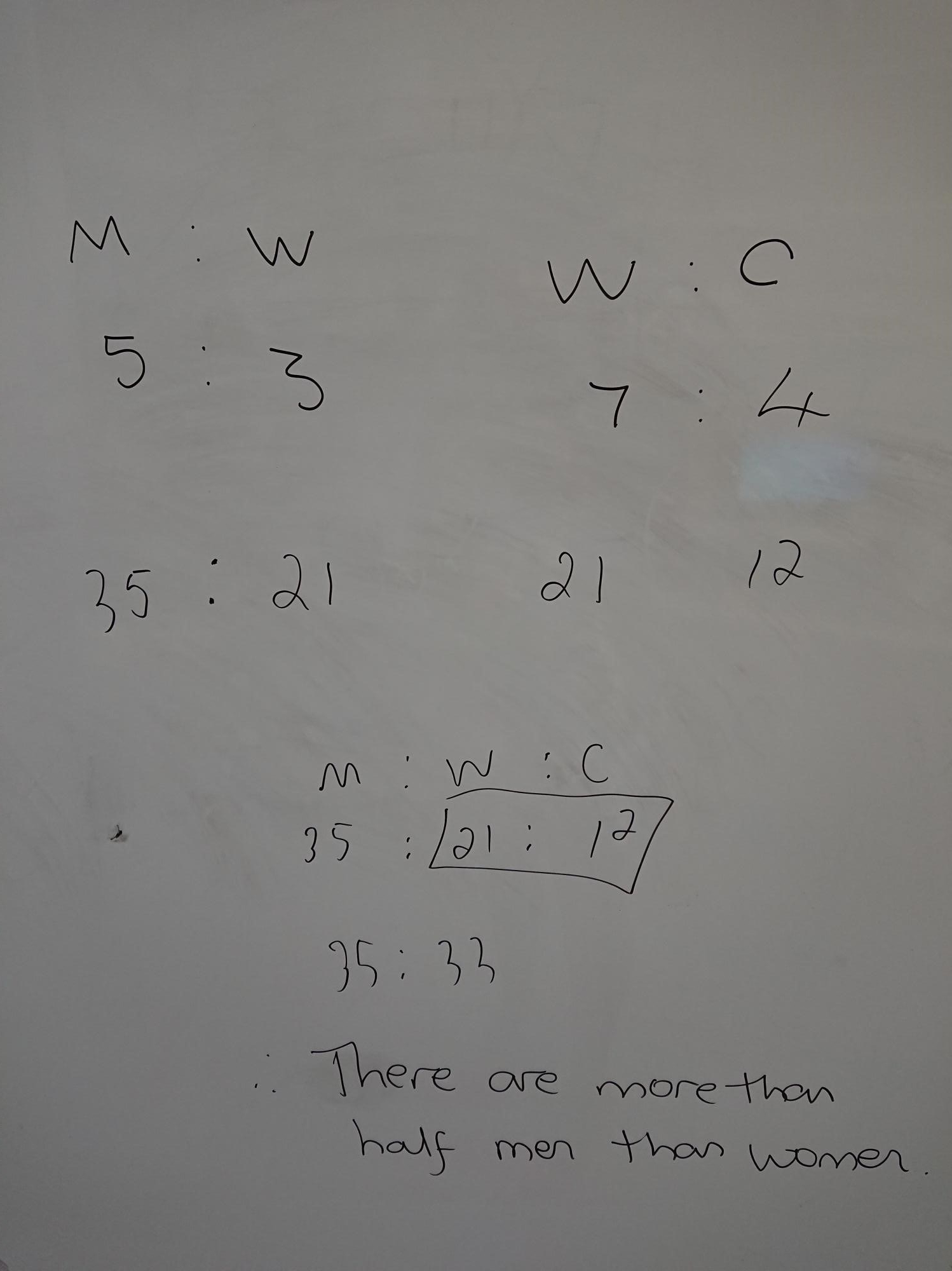
Which confirmed my method.
 MathsHKO