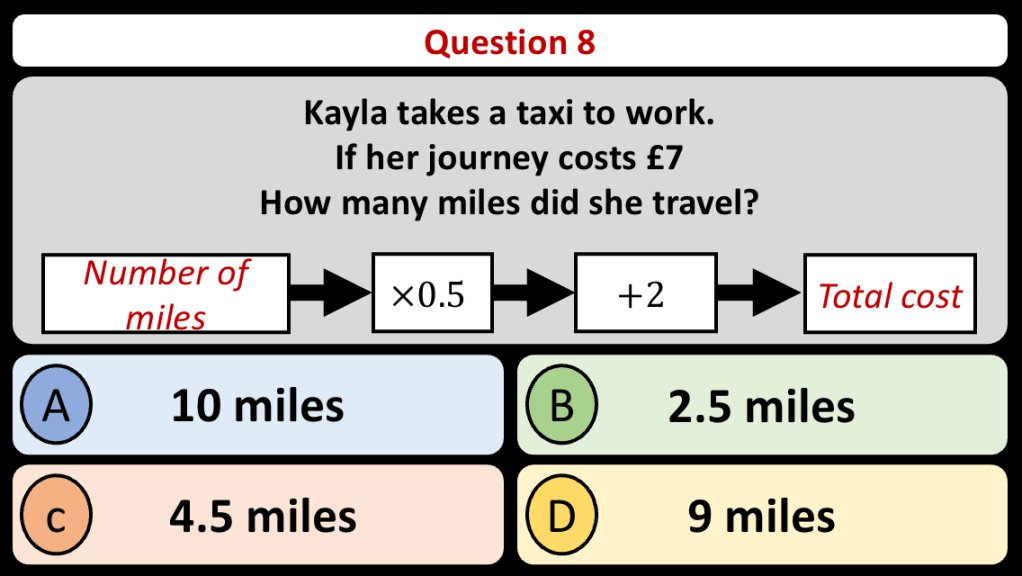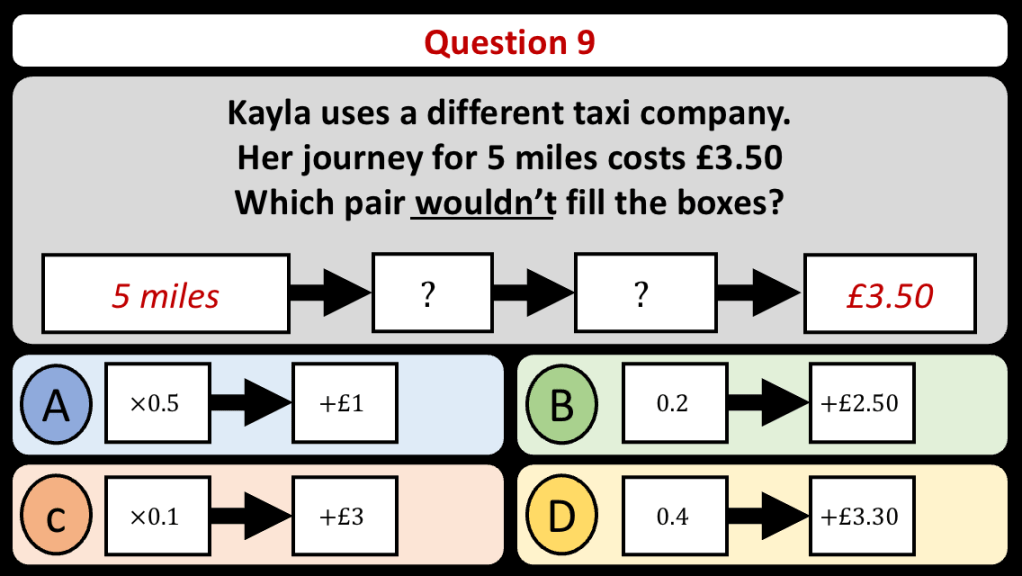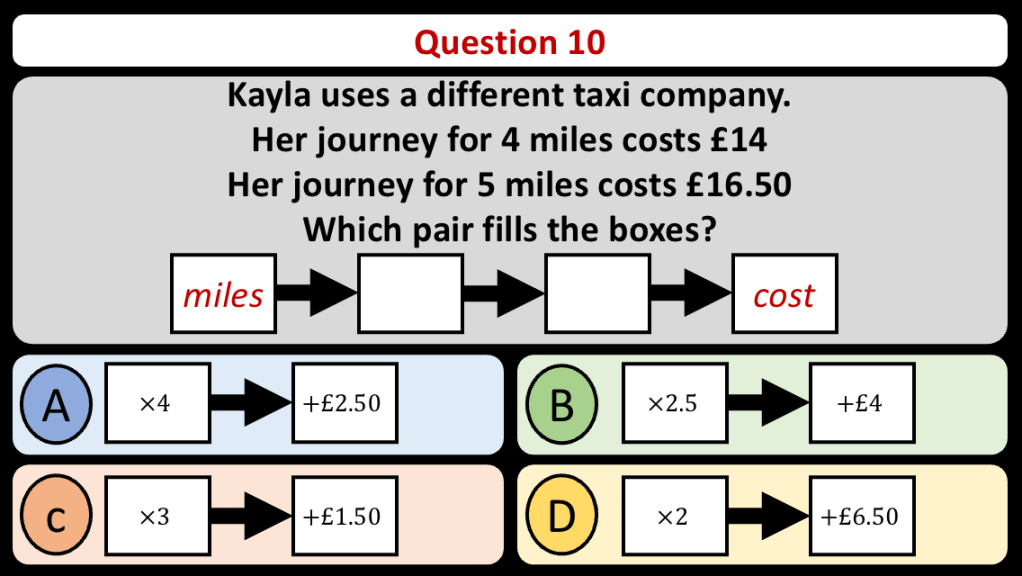
Function Machines

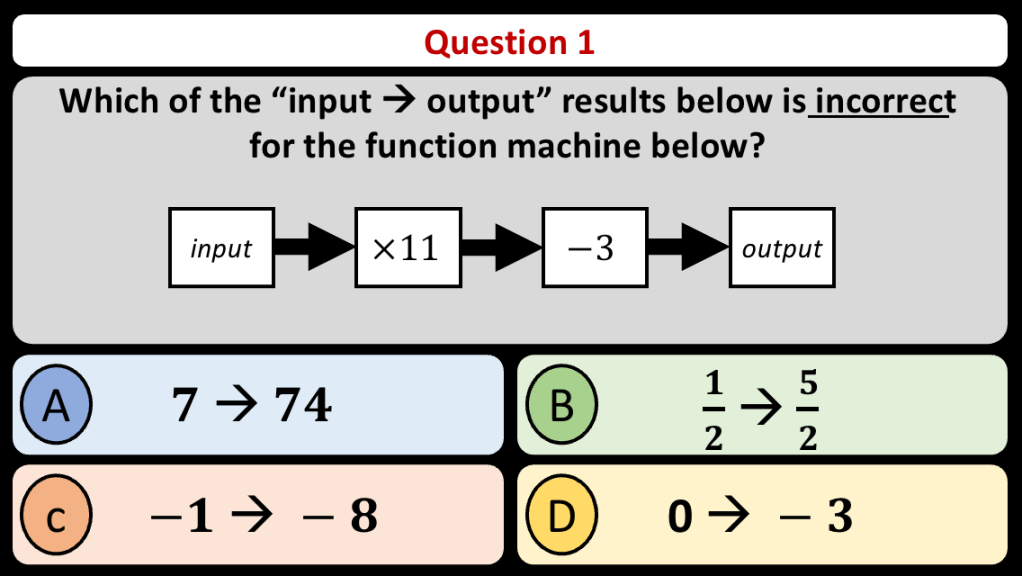
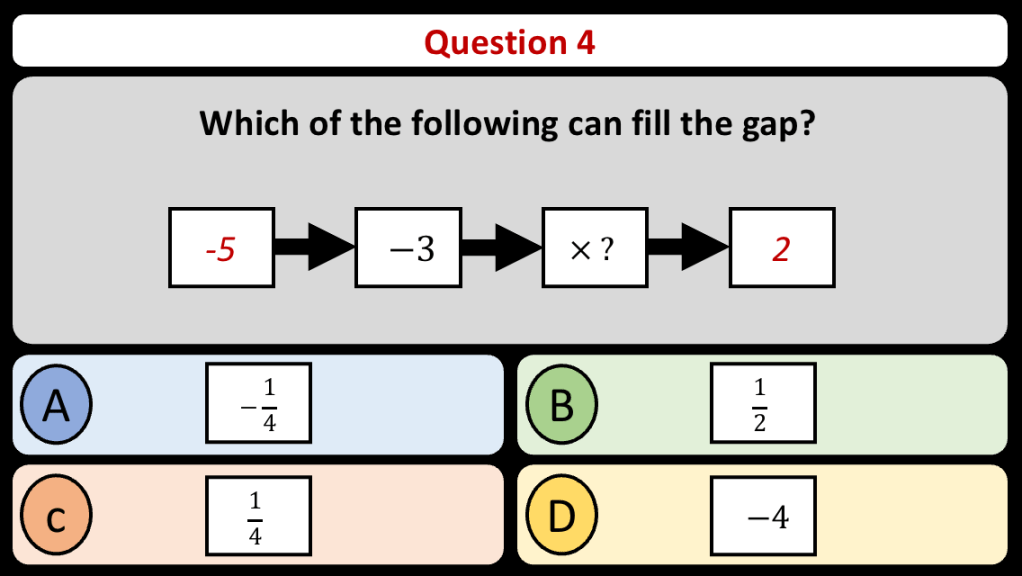
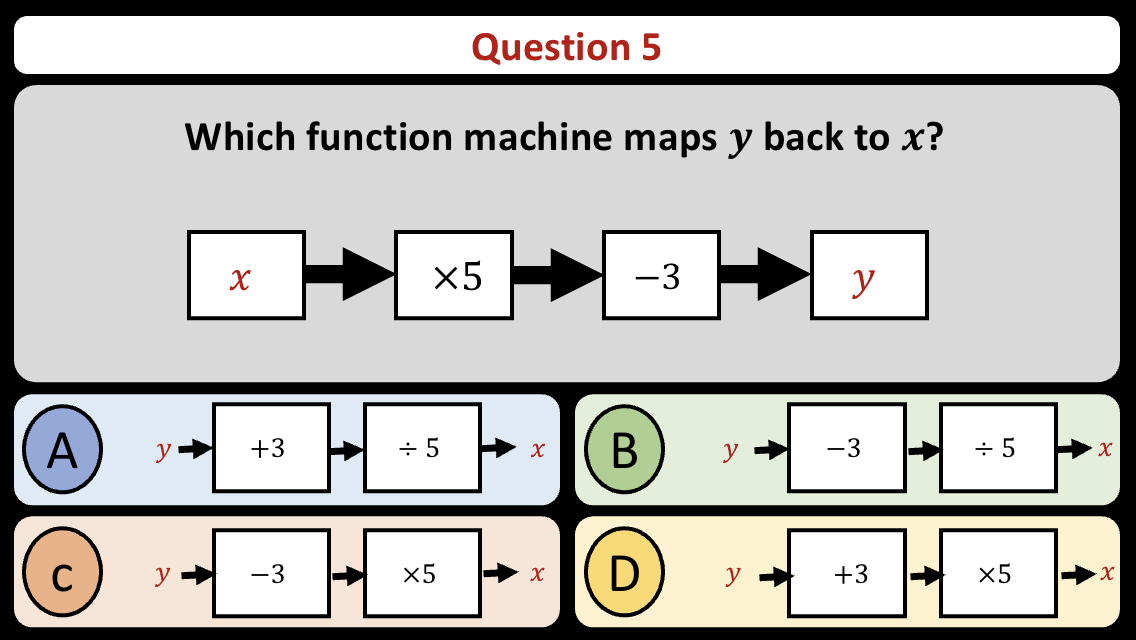
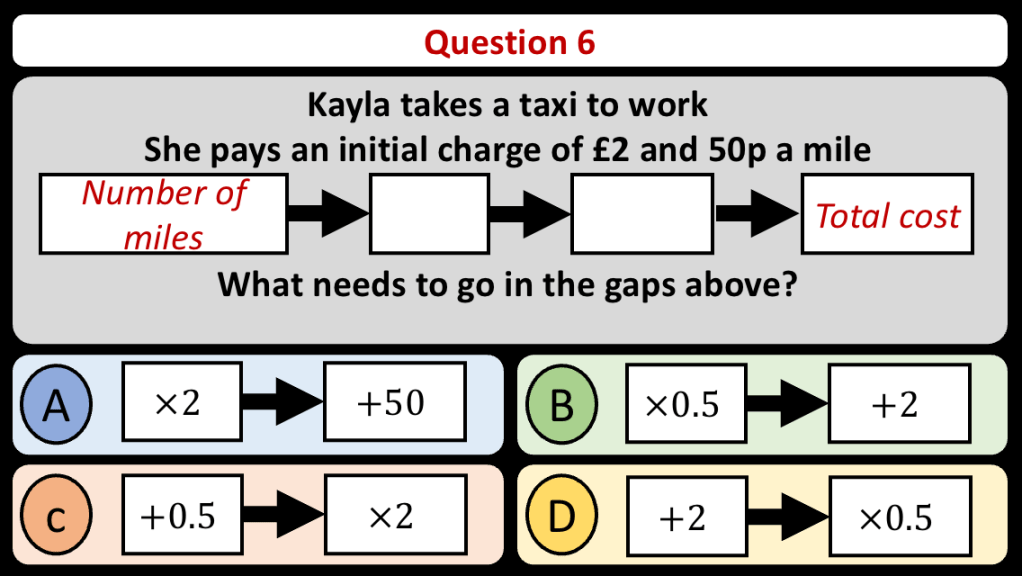
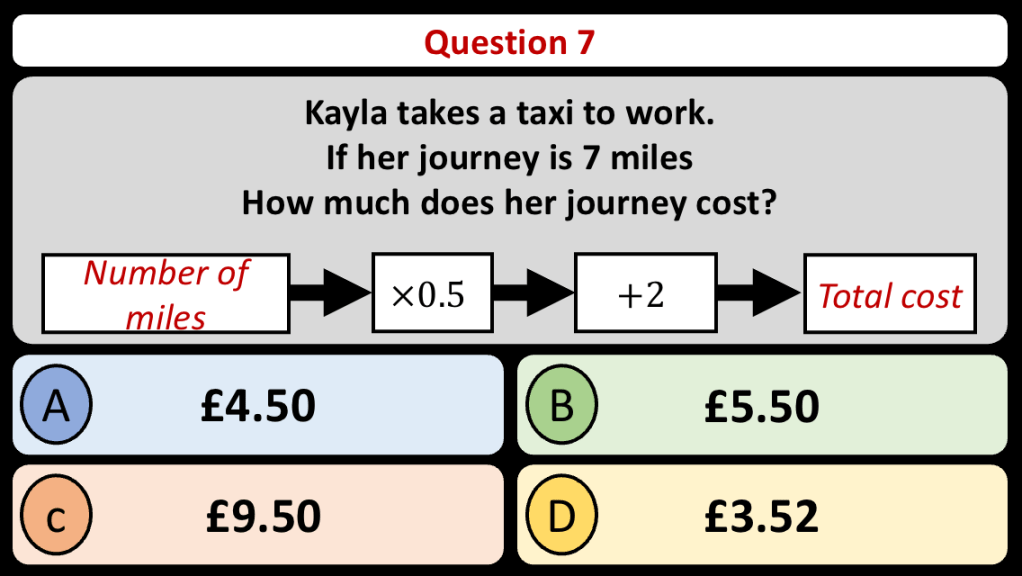
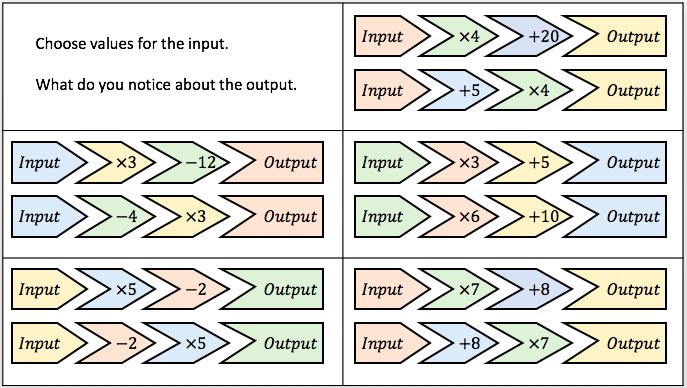
I have seen function machines throughout my teaching career but I have mostly dismissed them as a way of displaying a question and I didn’t really appreciate how they could be useful. It wasn’t until I came across the ICCAMS question below that I began to see how they could be useful in the classroom. I have used the question below with a variety of abilities and I always love hearing how the students respond to the question. Usually the lower attaining classes would say that both outputs would be the same and then try values to see this isn’t true. With higher attaining students there was a mix of students who thought it might be the same but felt it should be different and those who thought they weren’t equal but would try values and confirm that they weren’t.

iccams q

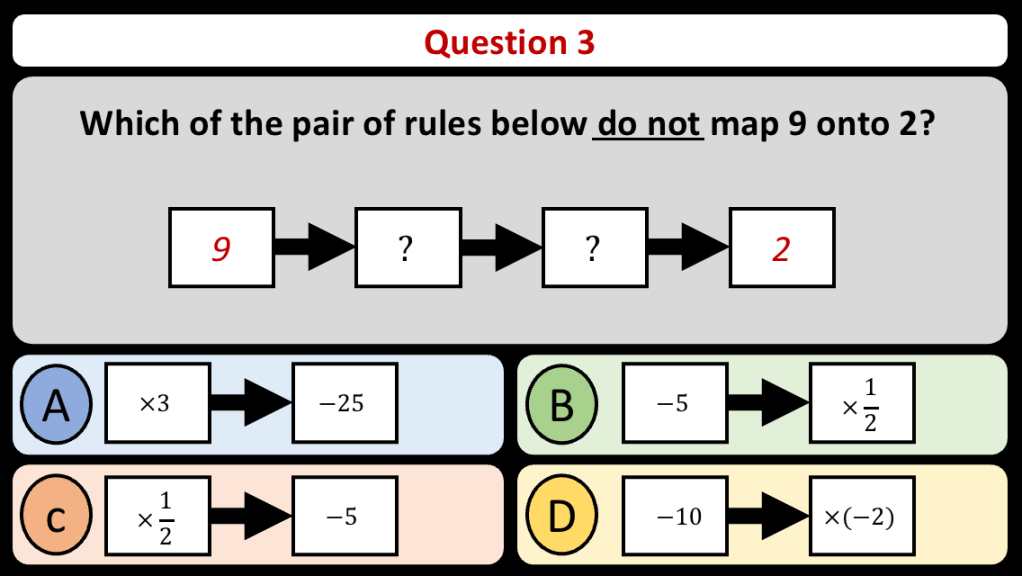
What I liked most about the question was the absence of formal algebra but also that it gave students an opportunity to look at order of operations and how multiply and addition affected values when used sequentially. I also liked how students could reverse the machine and think about inverse operations.

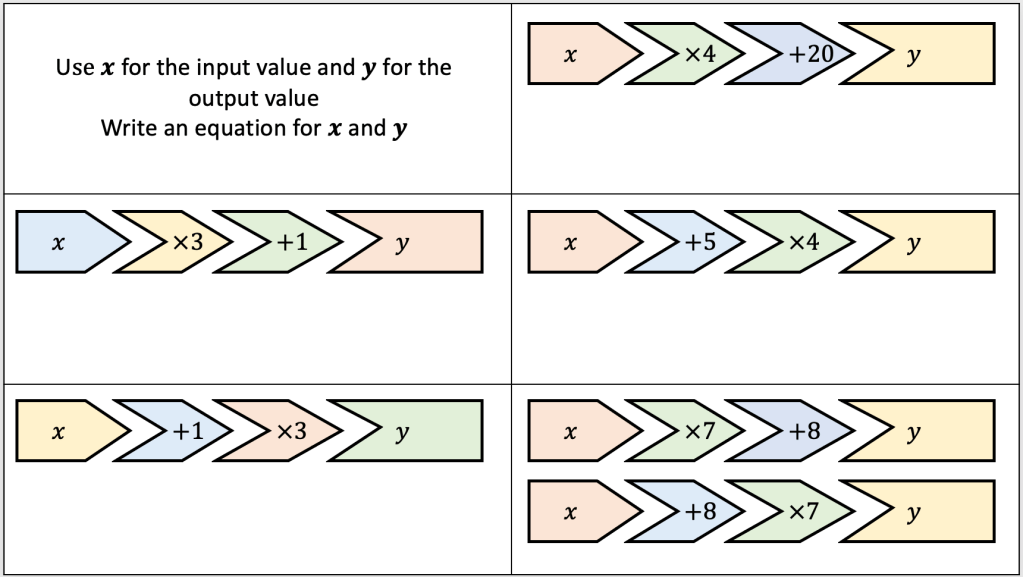
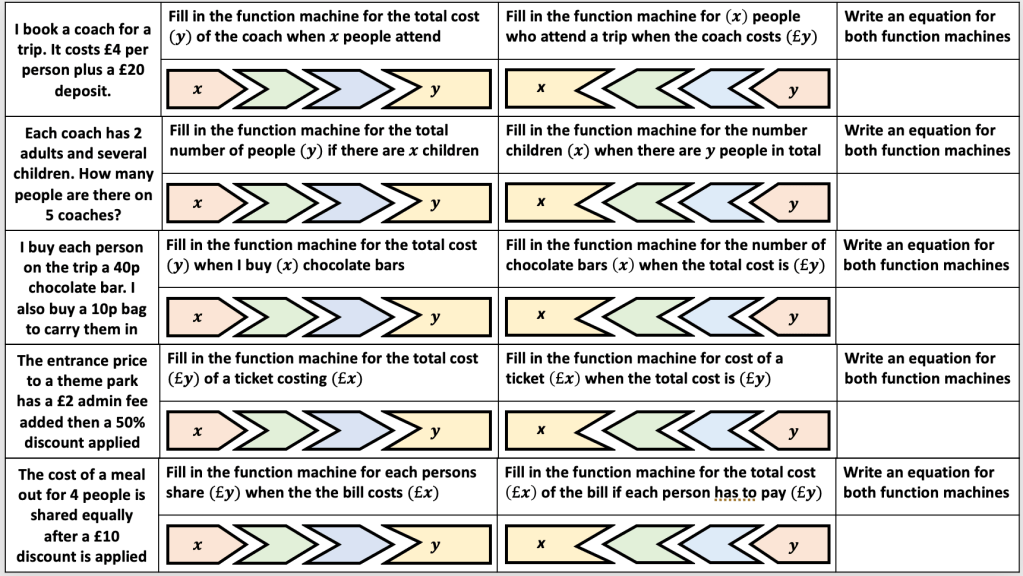
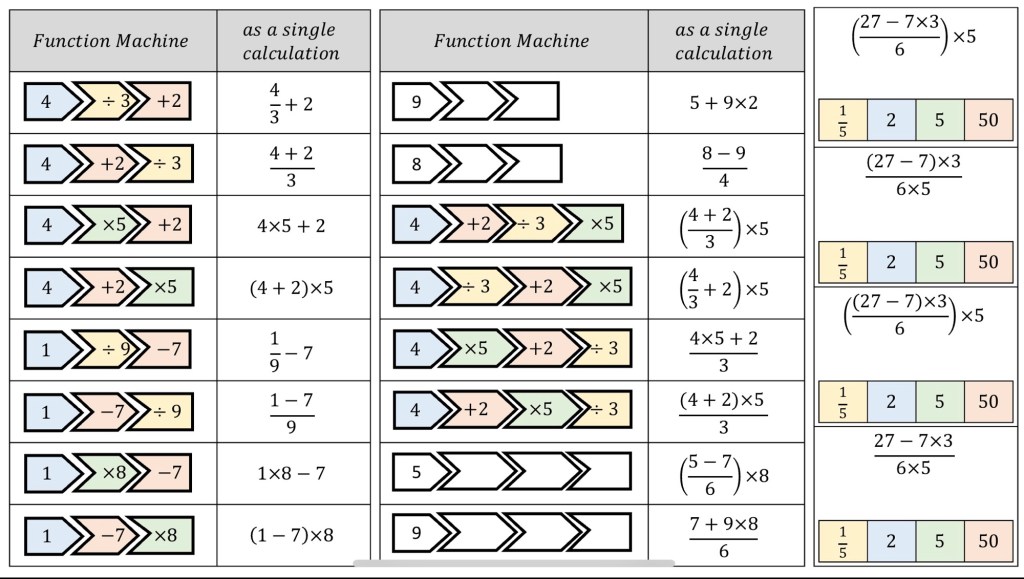
Another thing I liked about the function machines was it gave students the opportunity to notice connection between expressions so I thought about a few of my own questions. In the first pair of machines, I hope that students will notice the outputs are equal and start to think about why this is the case. I like an image that I saw in the ICCAMS project handbook. I have used it as a model to create a similar image for the first set of function machines.
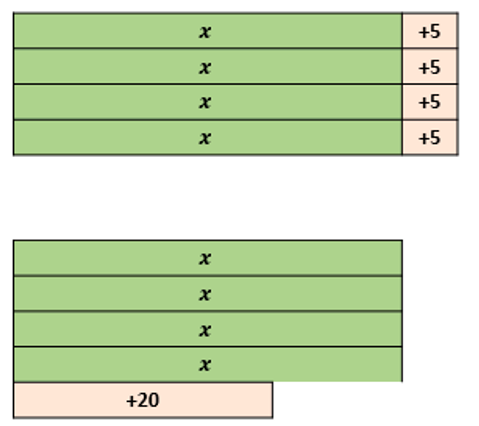
equ exp

DuunB5PXQAEVjYj


Perimeter

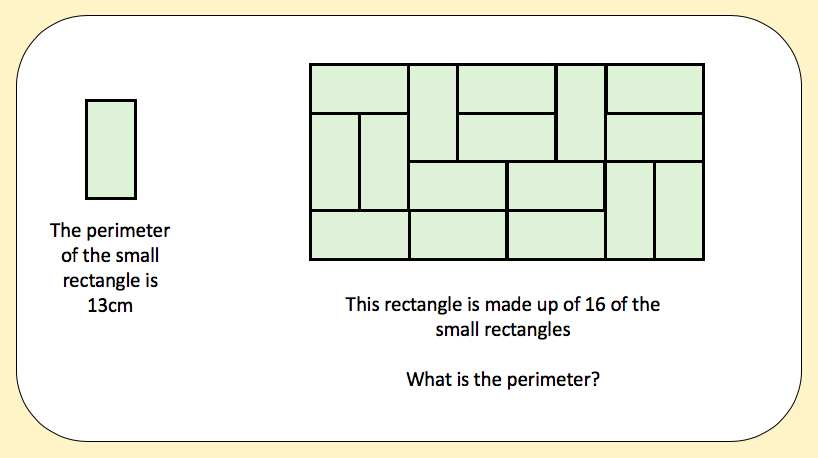
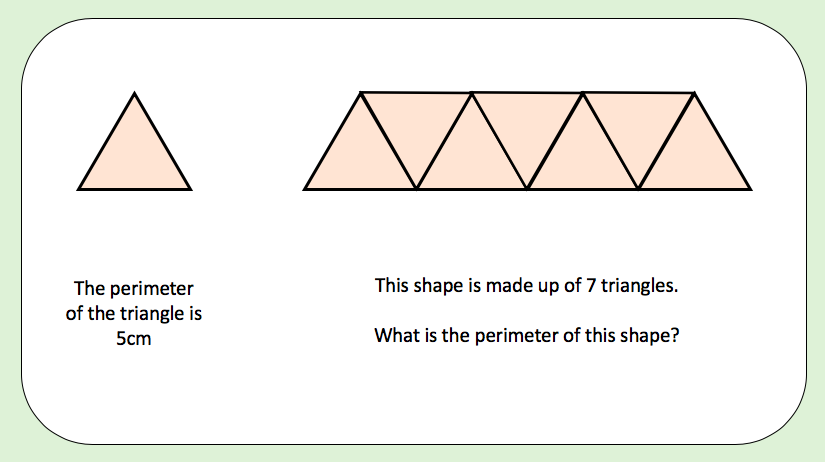
I enjoyed seeing some responses from class on a perimeter question. There was a shape and its perimeter was given and then students had to find the perimeter of a larger shape made up of the smaller shape.

Students spent time finding the length and width of the smaller shape and then using it to find the larger shape. It wasn’t badly answered, students managed to understand how they would go about answering it and this method worked but the perimeter was 15cm so one of the lengths was 2.5cm. None of the students looked at the edges of the larger shape and saw how they related to the smaller shape. Perimeter

Screen Shot 2018-12-04 at 20.23.21Screen Shot 2018-12-04 at 20.23.14

https://babbey-my.sharepoint.com/:p:/g/personal/konstantineh_barkingabbeyschool_co_uk/EVetCWvDLnhOjlIniA7CxSUBp7sfy2muoP5s2fyLVmd9EA?e=G2LI4Z

Update!

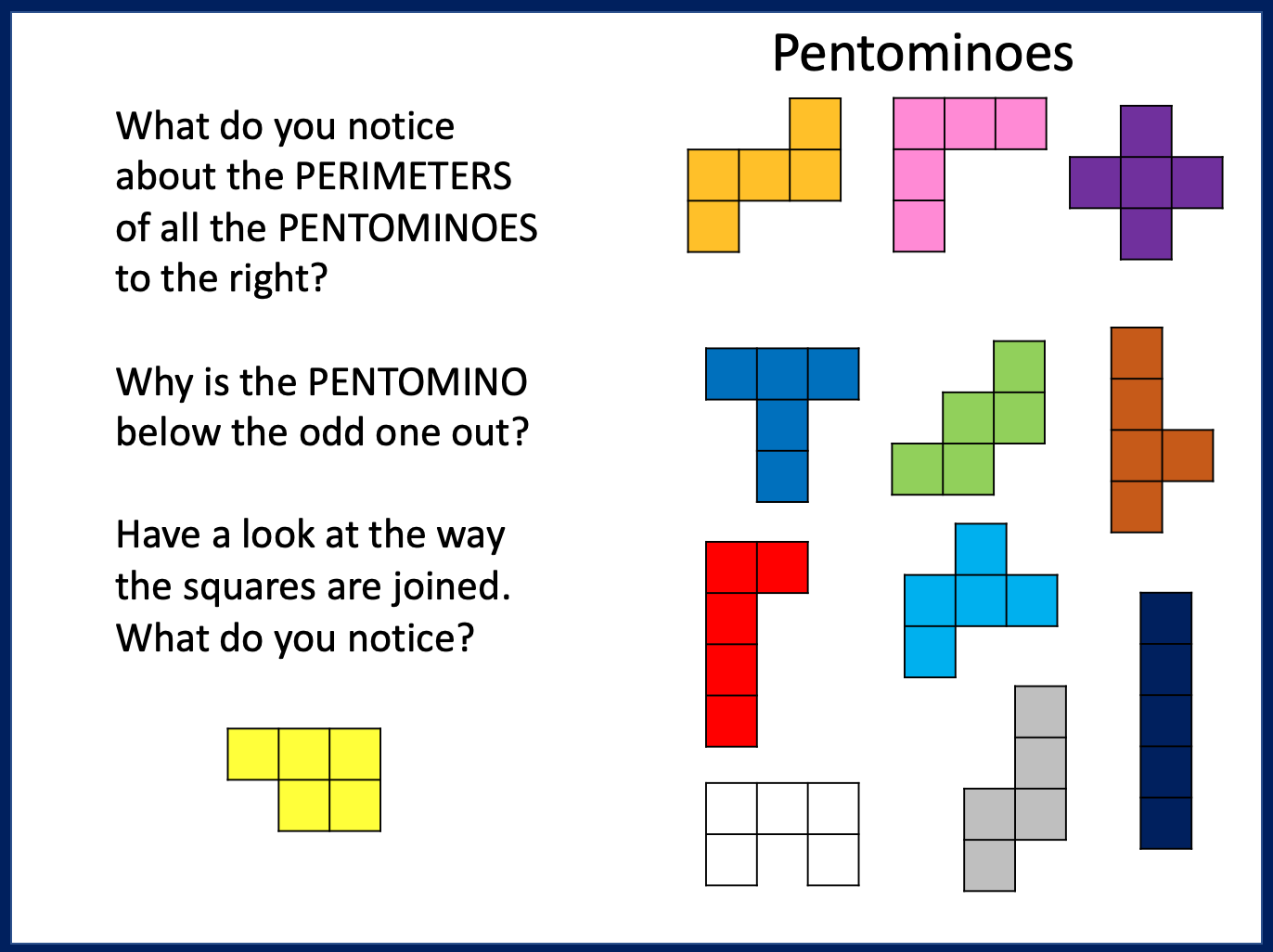
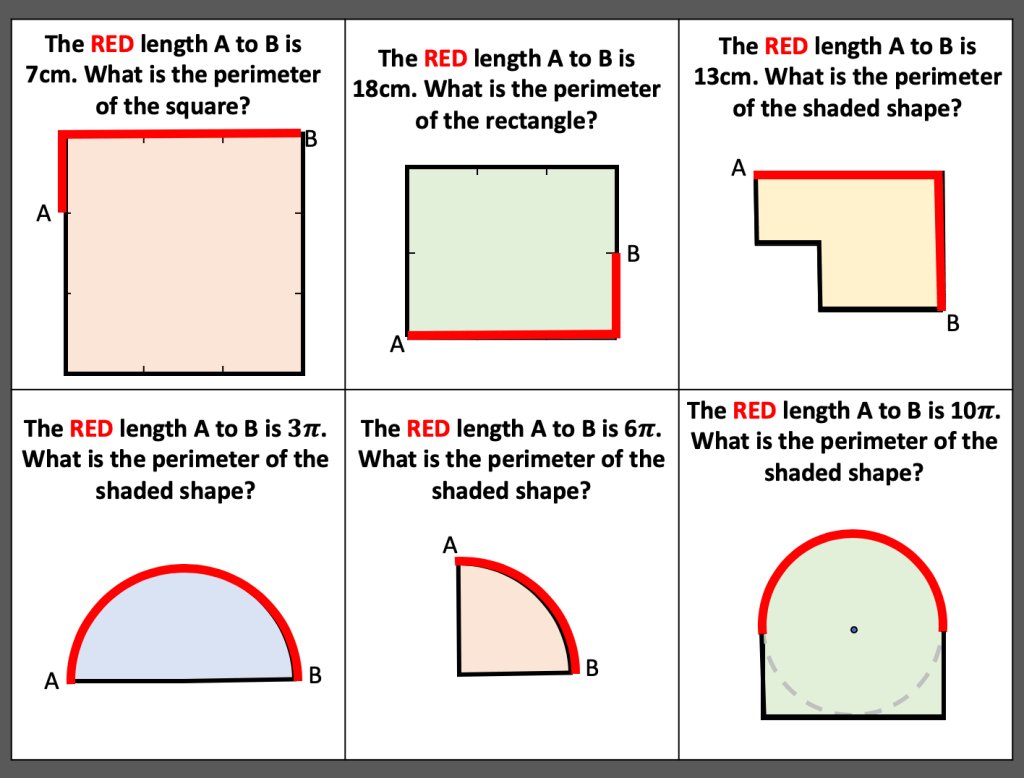
Students in year 11 were struggling with a Perimeter question and I started making up some other questions for them to try. They found each one challenging and had to reason to why certain lengths were equal and how to find the missing lengths.

https://babbey-my.sharepoint.com/:p:/g/personal/konstantineh_barkingabbeyschool_co_uk/Ef_pAHTg1pBBs-V4l5ppuckBN4xqBFDeT0M1QH0F2kQgXg?e=1lablc

Heres a homework for after this lesson for my mixed ability class.

Screen Shot 2019-09-14 at 21.02.01

Screenshot 2020-06-21 at 23.02.36Screenshot 2020-06-22 at 00.41.11

Averages, Range & Types of Number

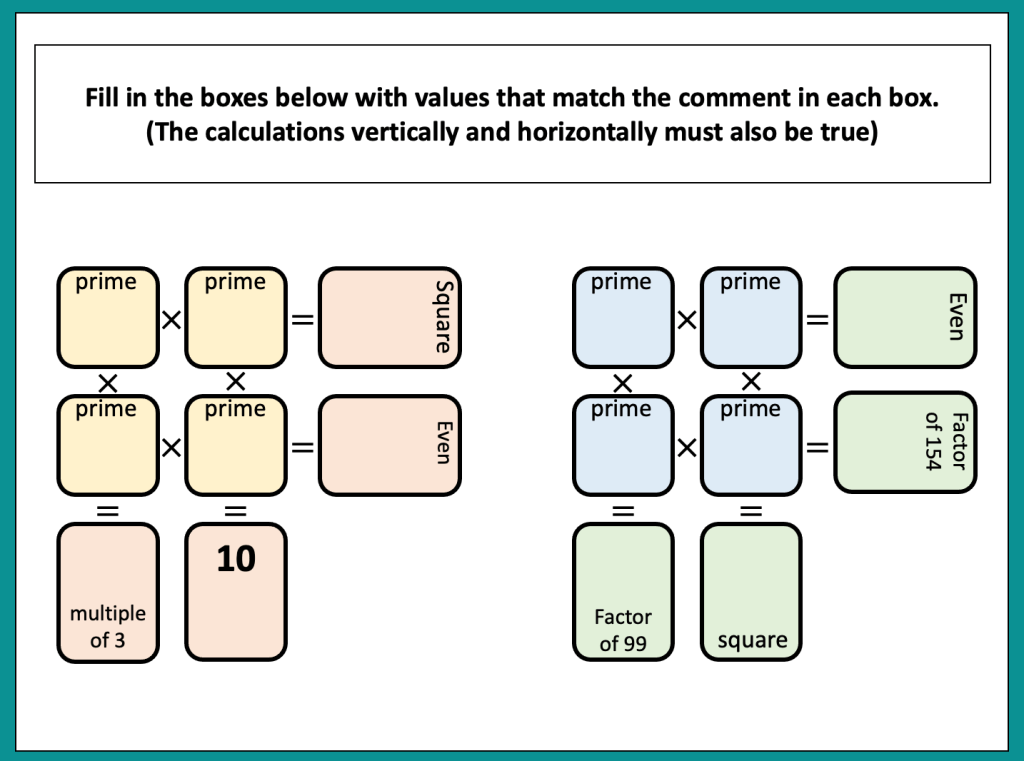
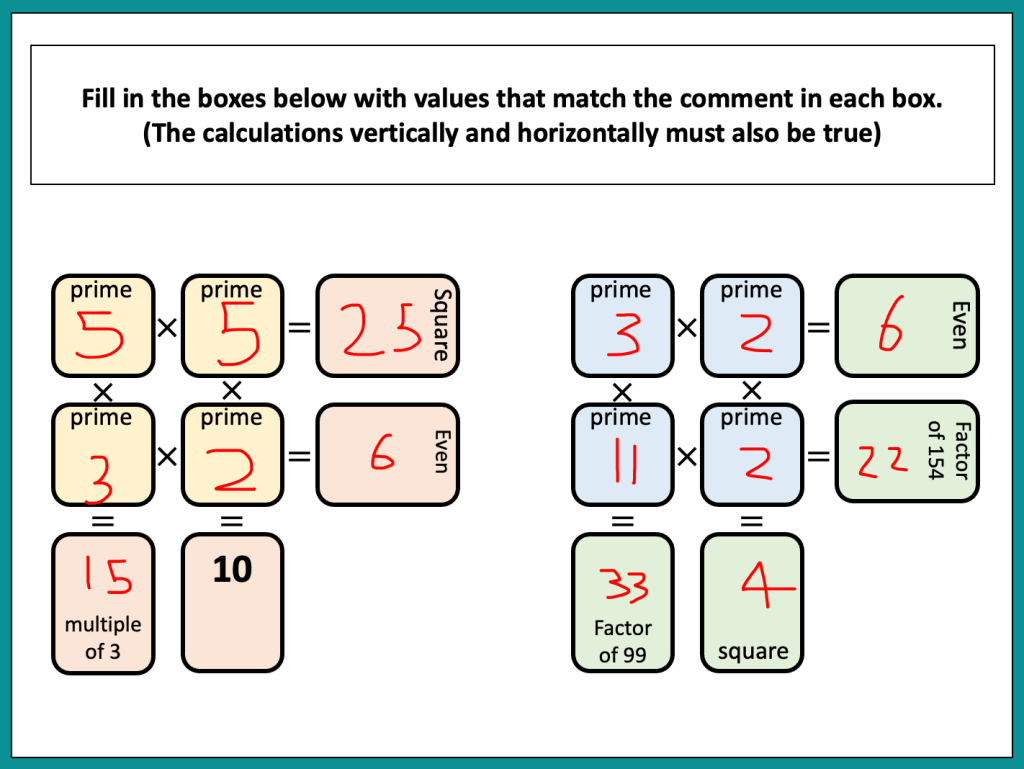
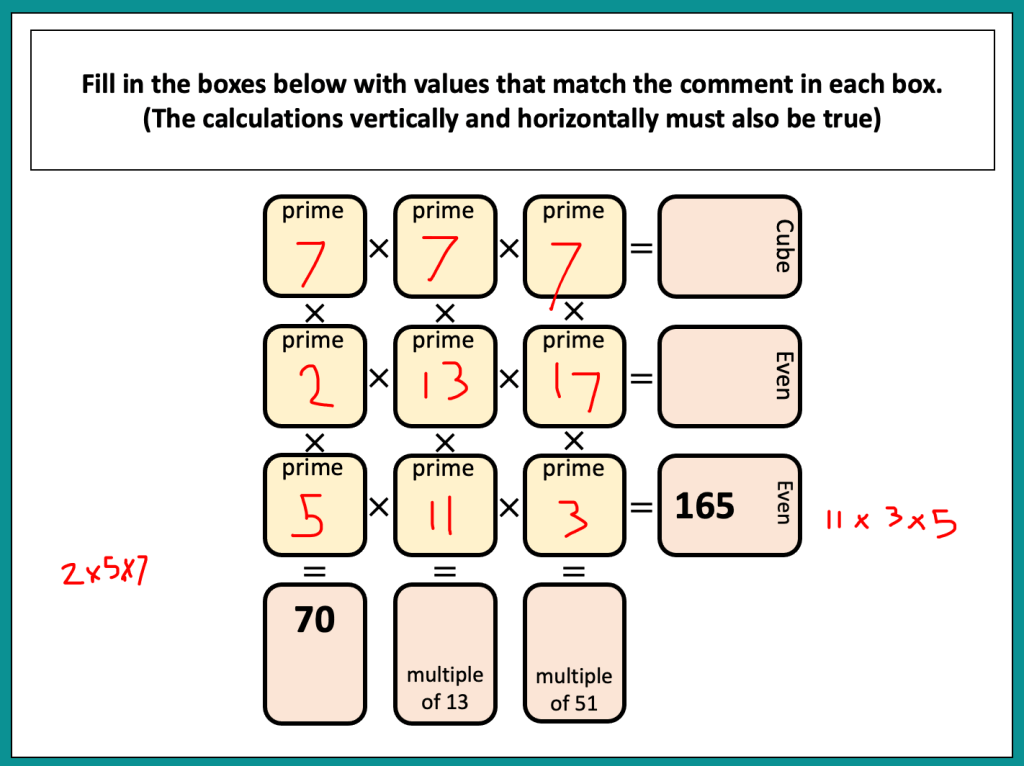
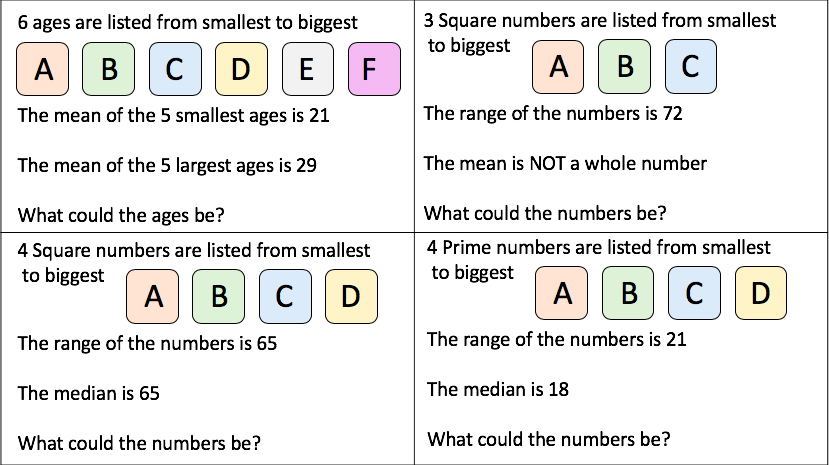
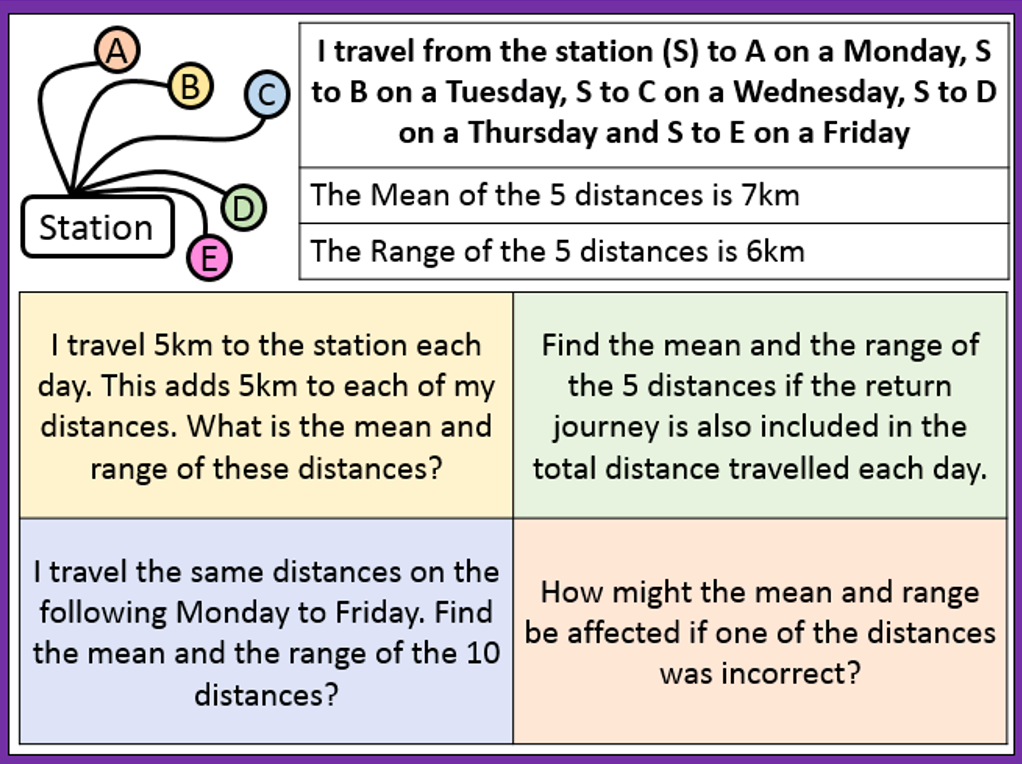
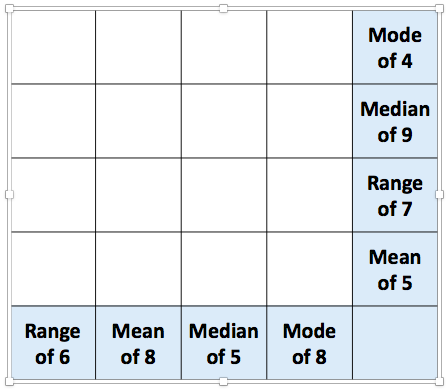
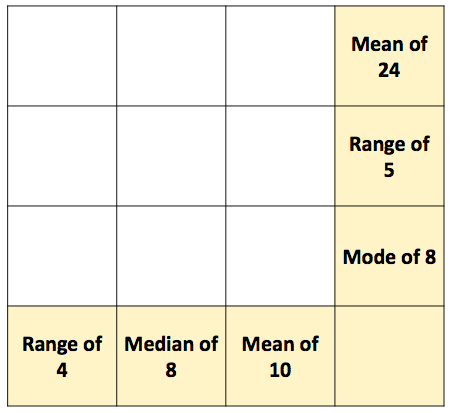
The task below was created to link two topics students were looking at. They need to know what Prime numbers and square numbers are in order to be able to work through the problem. They also need to understand Mean, Range and Median. Students could list Primes and Square and use trial and error but i hope they think about ways to reduce the numbers they need to trial.

Averages, Range and Types of Number

Screen Shot 2018-11-29 at 09.33.39

distance.png

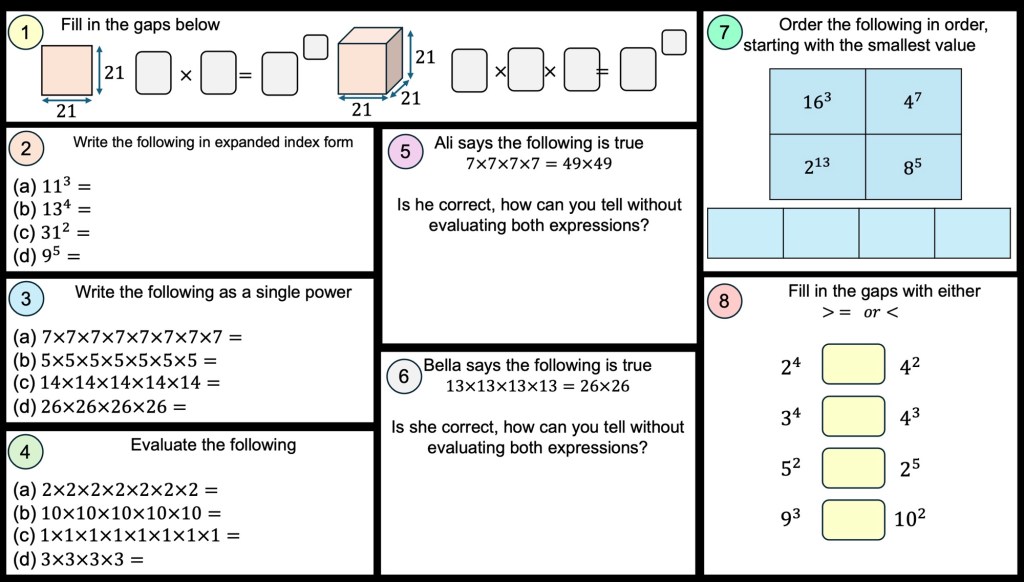
Indices

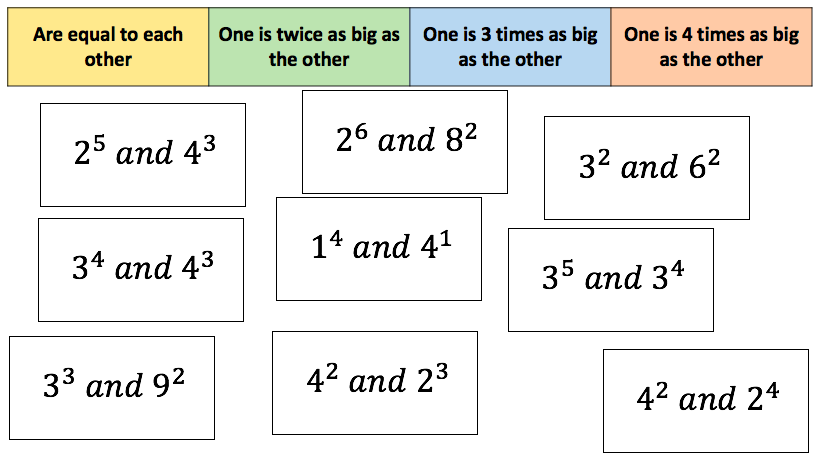
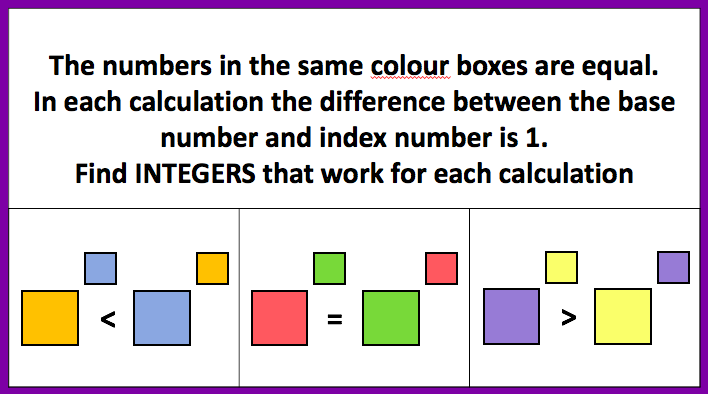
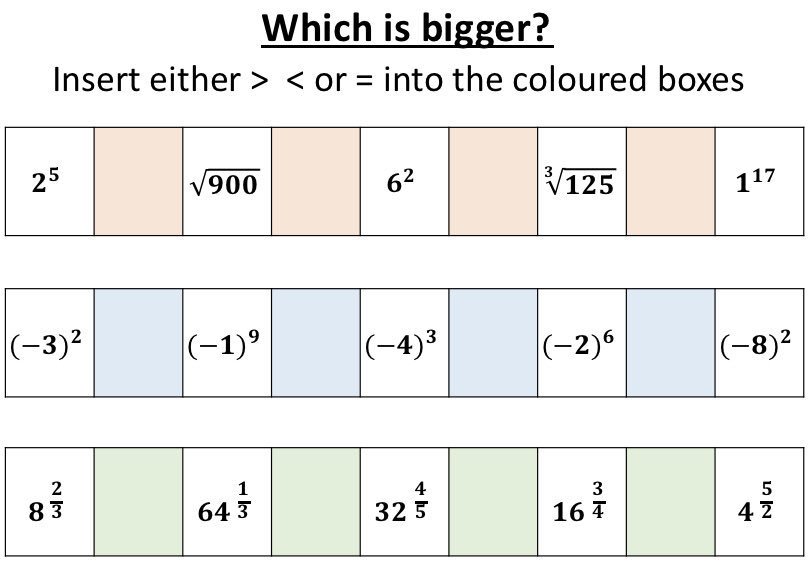
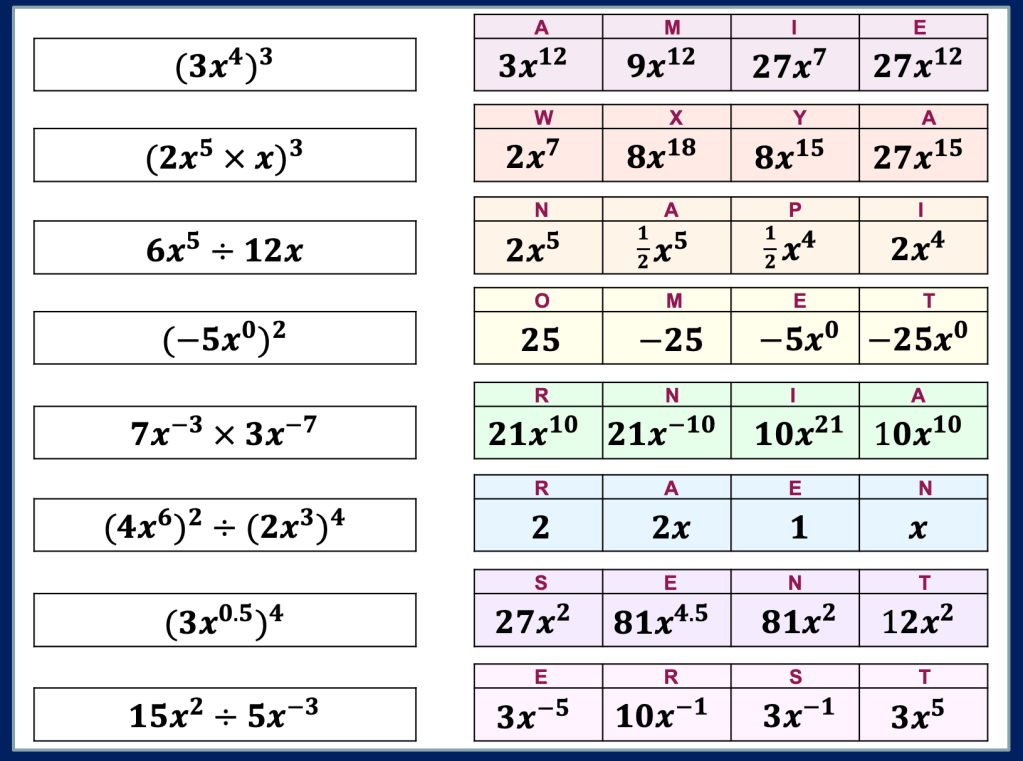
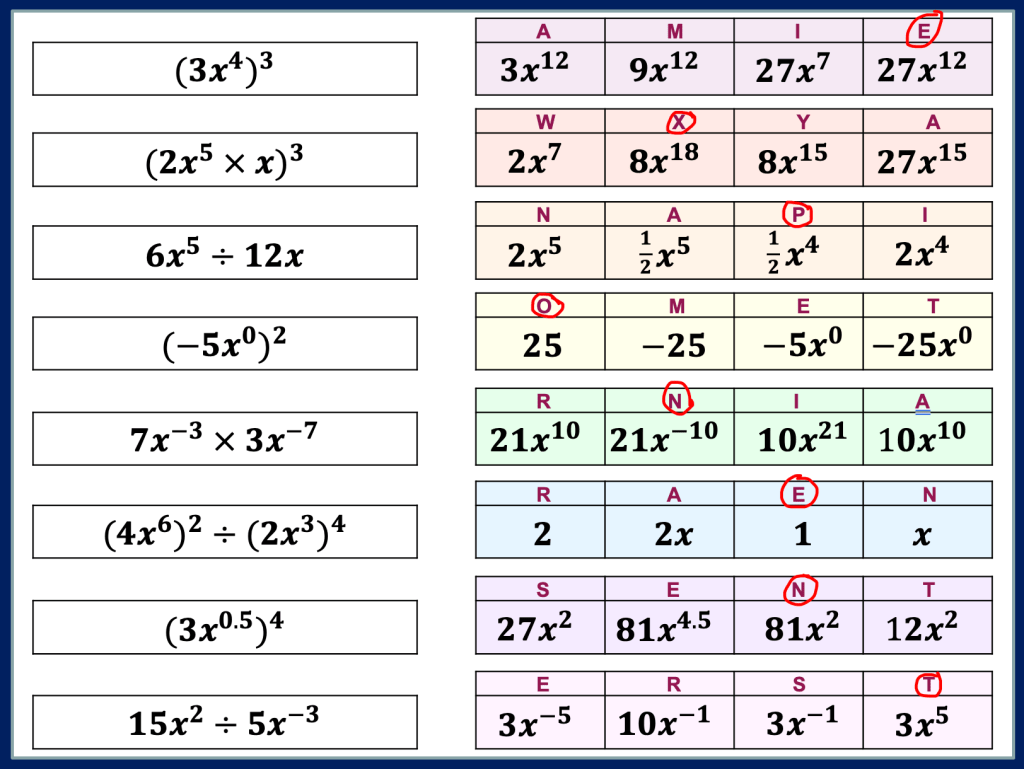
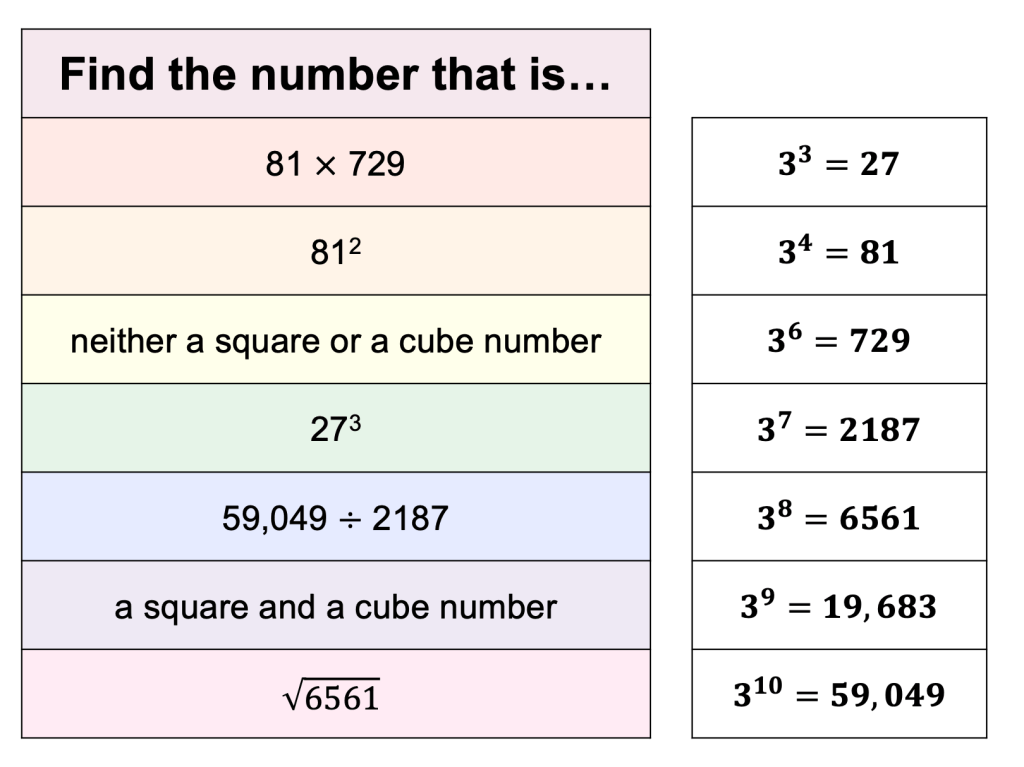
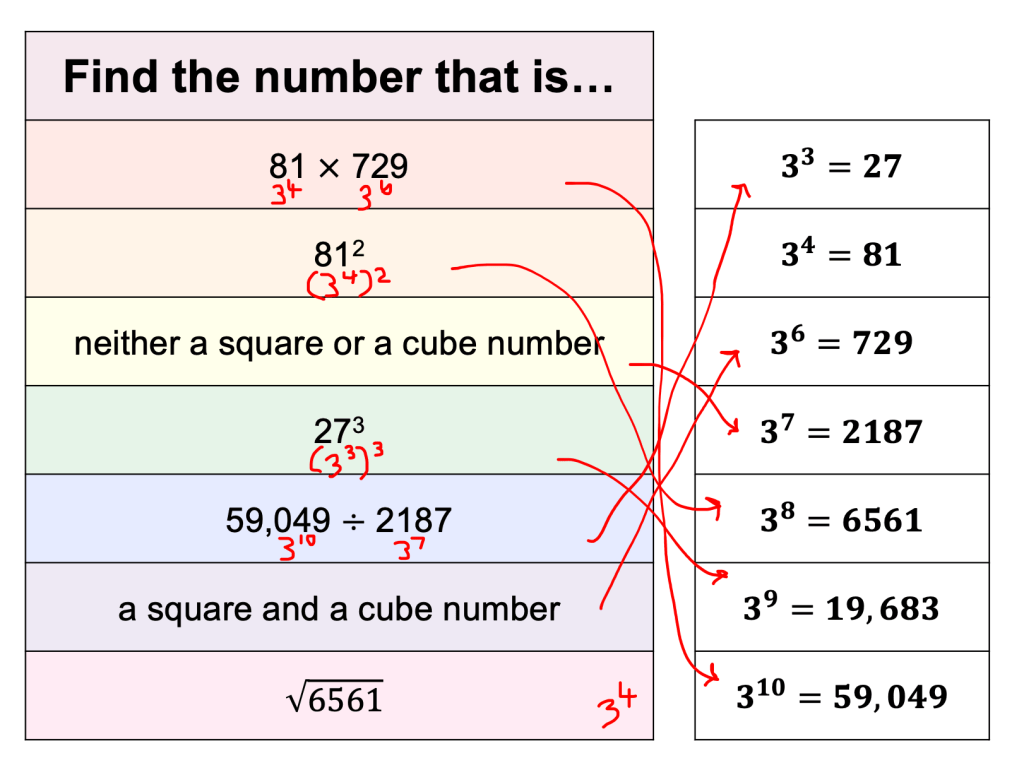
My class had some interesting theories today. They said that 4 to the power of 3 was equal to 3 to the power of 4. They assumed it was but then spent time proving it.

Also, when a student calculated 6 squared as 36, they said they found 12 squared by doubling 6 squared. So the answer was 72.

So here is my next starter…

Sort the cards and one is the odd one out…

Indices

Screen Shot 2018-11-19 at 20.32.30

D6D7SvUWkAEHW60

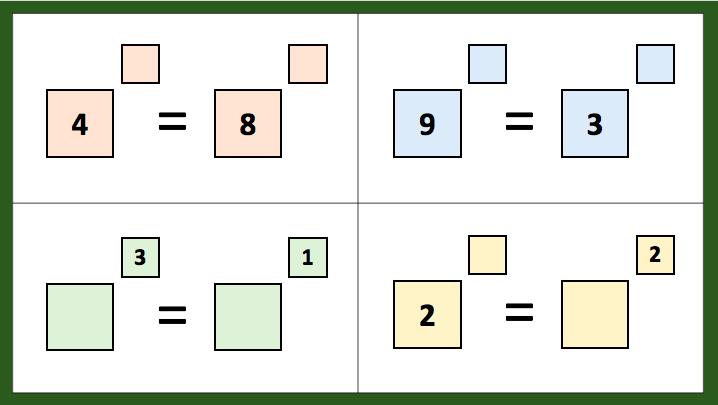
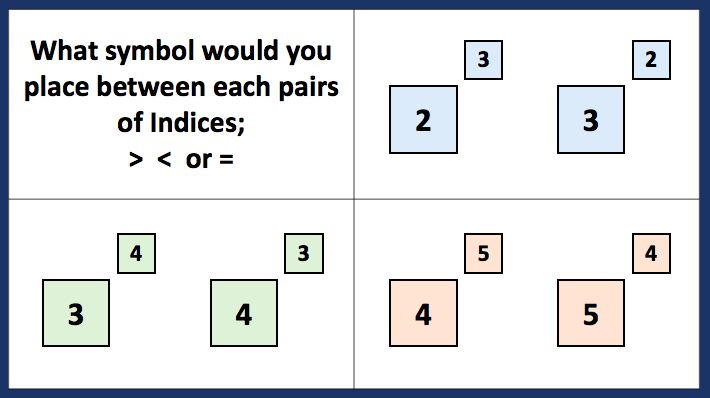
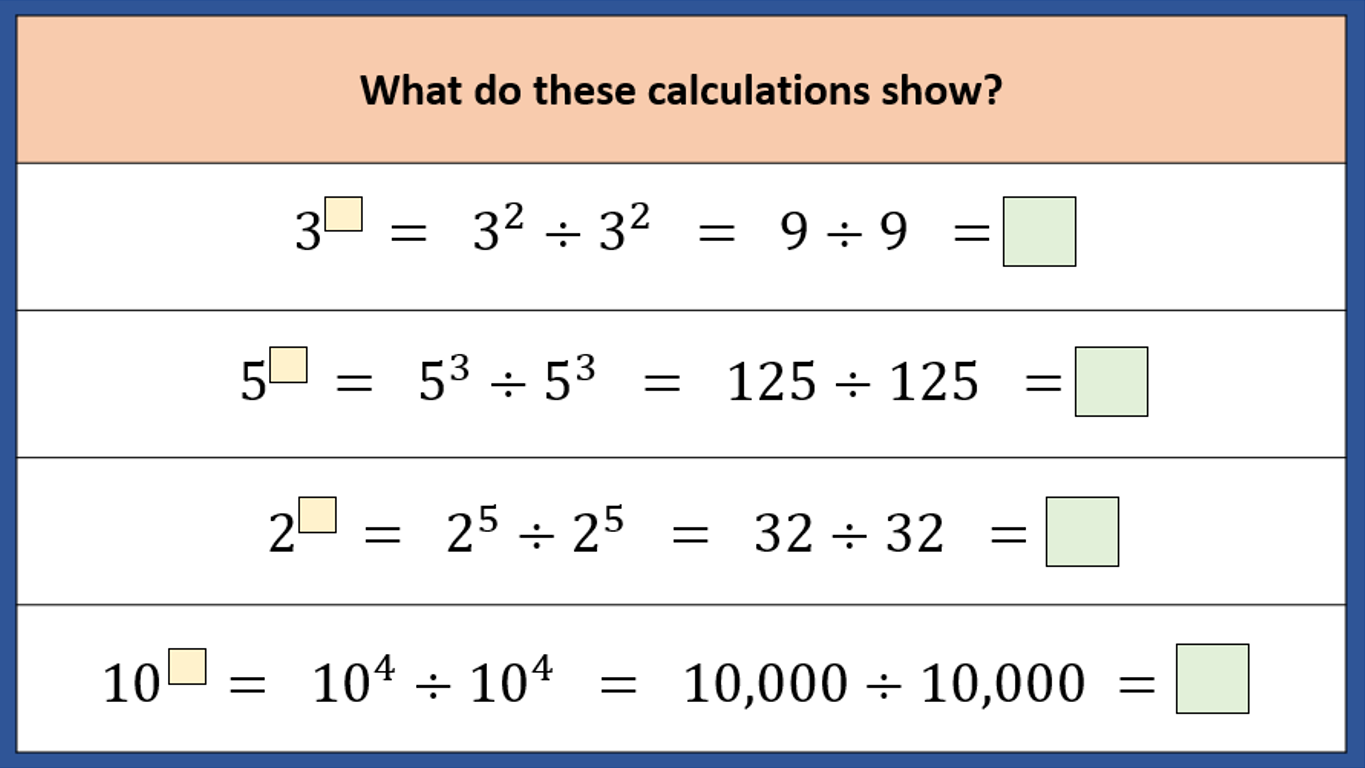
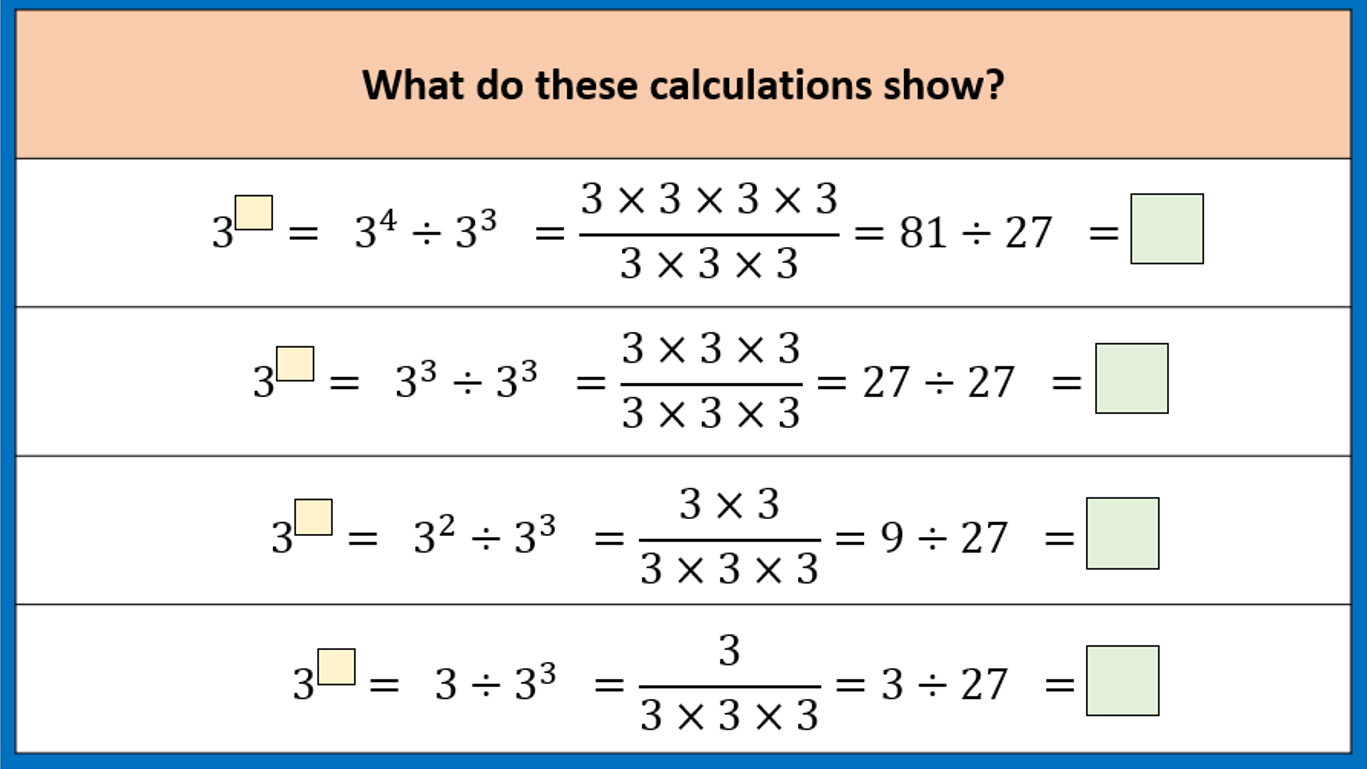
Update: I am fortunate enough to work with some great trainee teachers who are constantly striving to improve their practice in Maths. In a lesson today I was privileged to watch a teacher work on Indices with a year 10 class and below is a product from the discussion we had on Indices during and after the lesson.

indices1indices2Indices

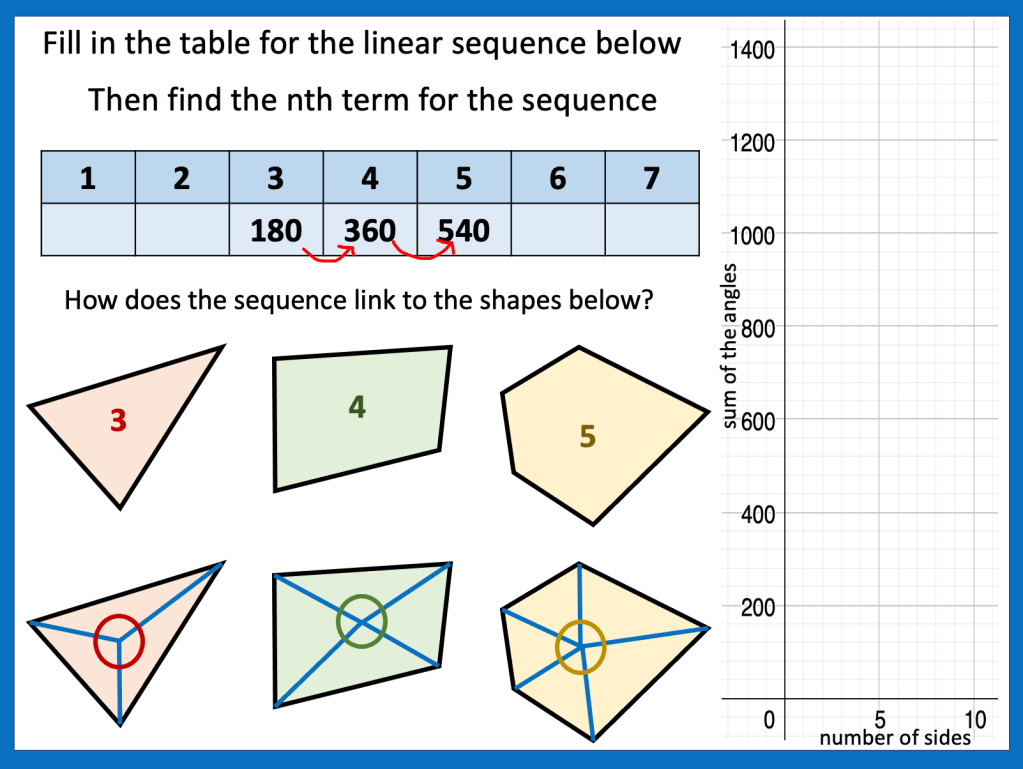
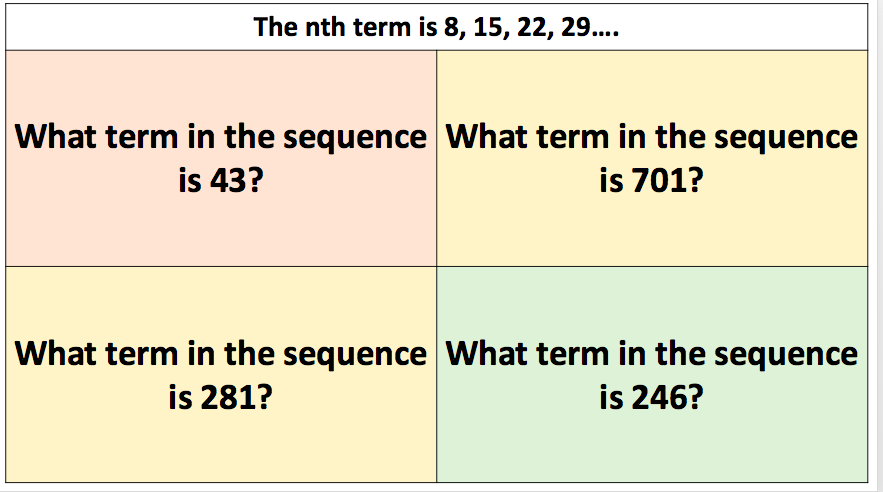
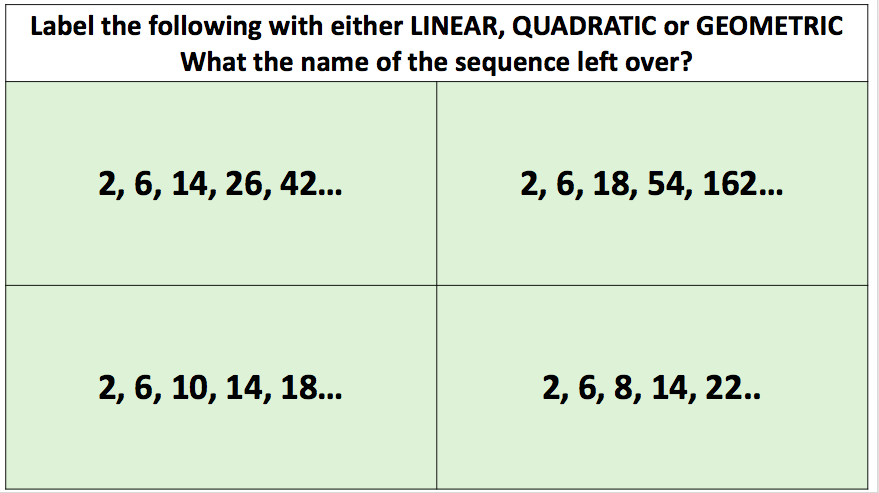
Sequences

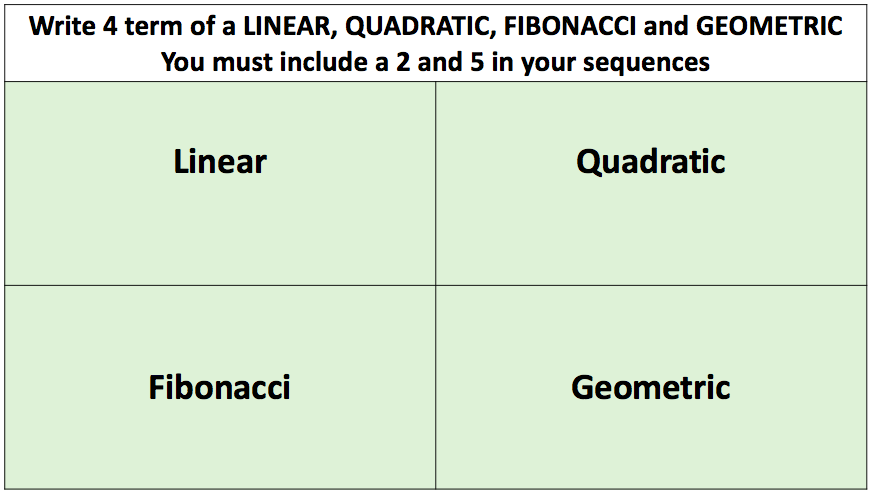
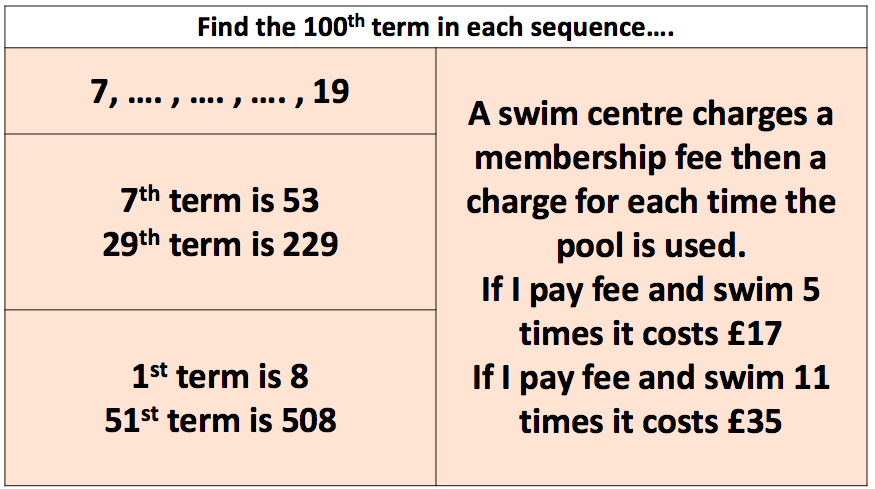
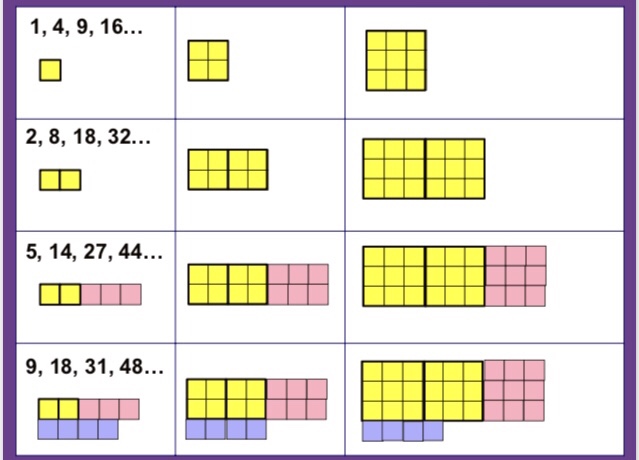
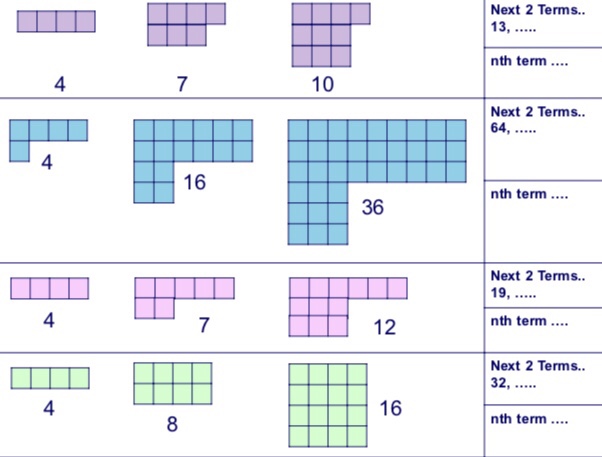
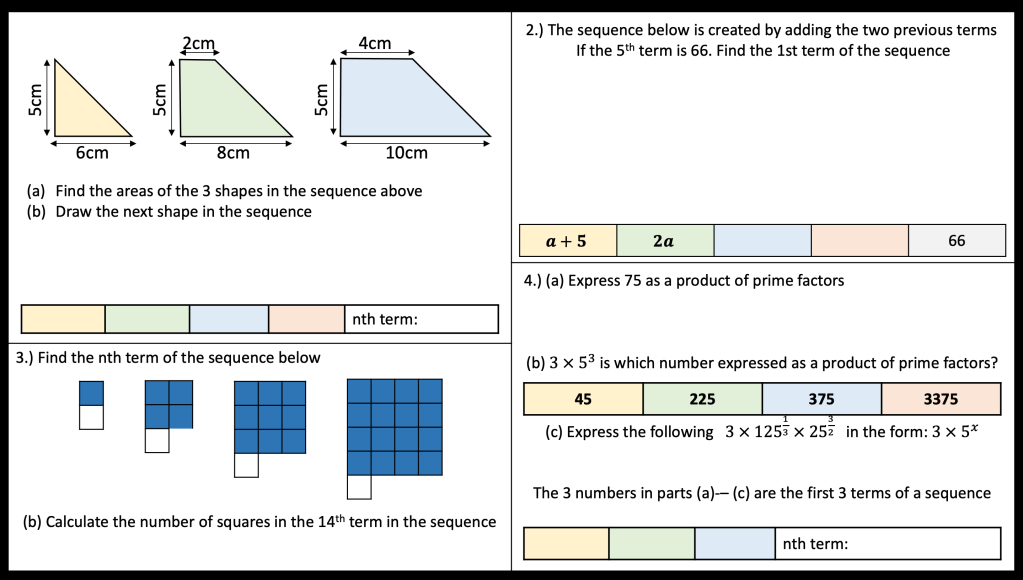
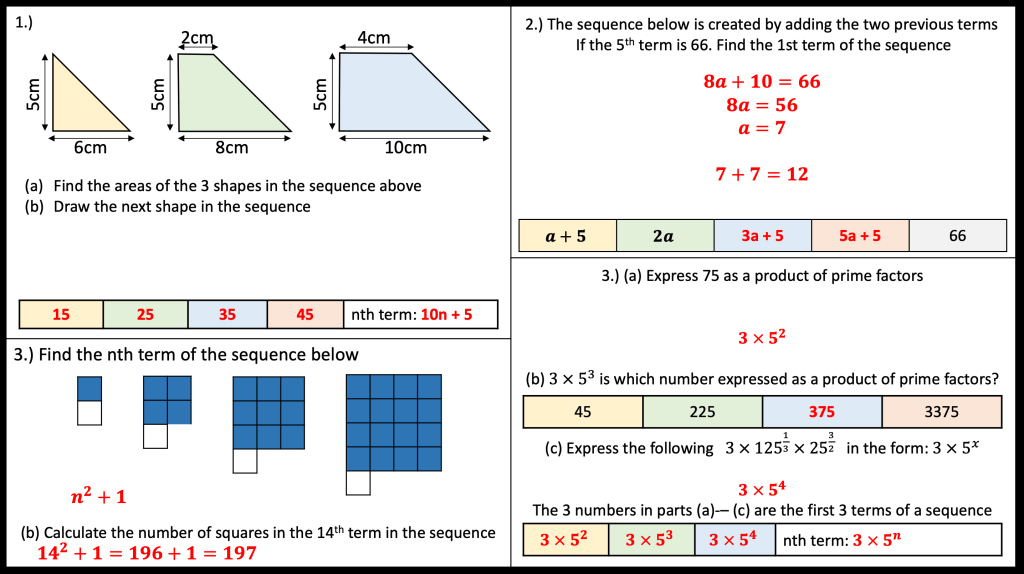
Here are some practice questions for sequences.
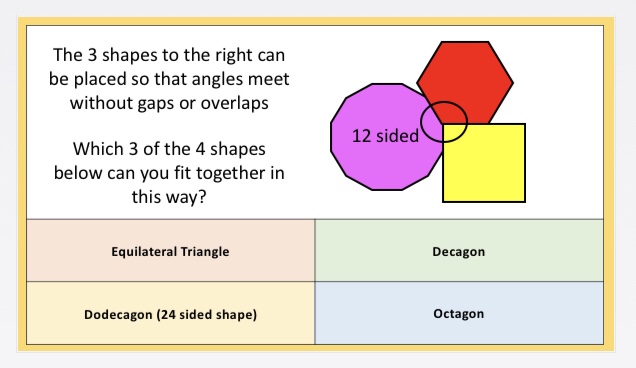
They build up to more challenging questions but they aren’t very creative for the student so my next resource will get students to be creative with their sequences

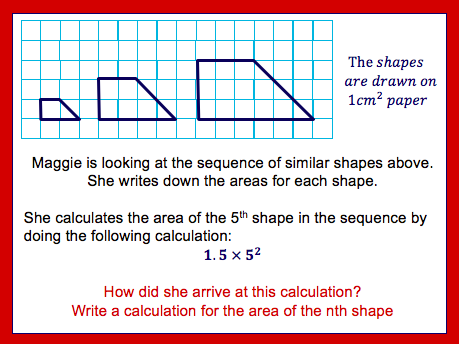
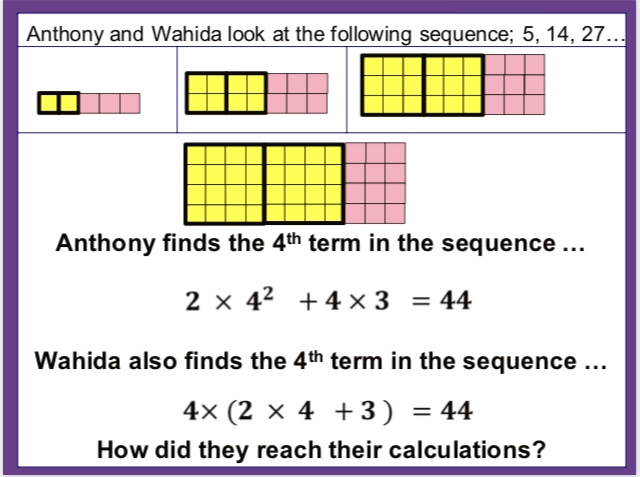
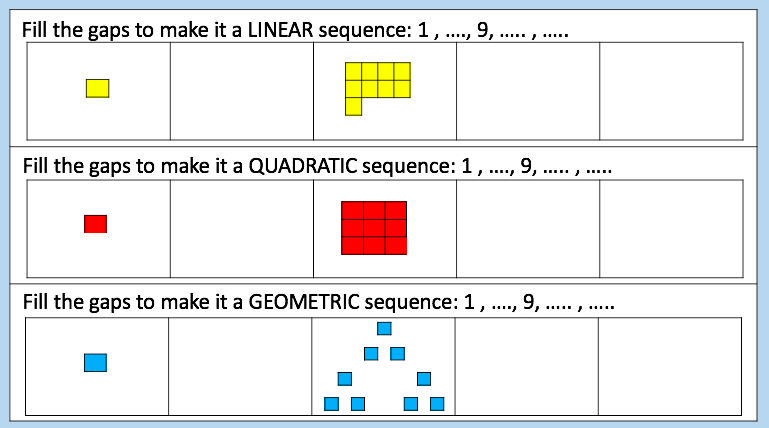
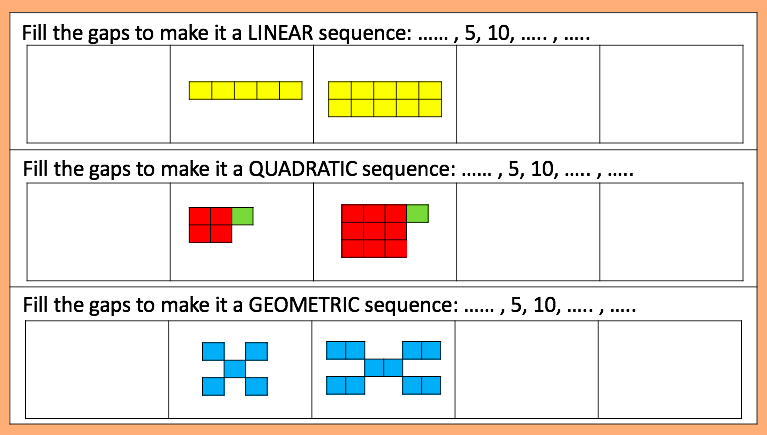
Screen Shot 2018-11-11 at 19.10.12Screen Shot 2018-11-11 at 19.10.07Screen Shot 2018-11-11 at 19.09.59Screen Shot 2018-11-11 at 19.09.50

Sequences

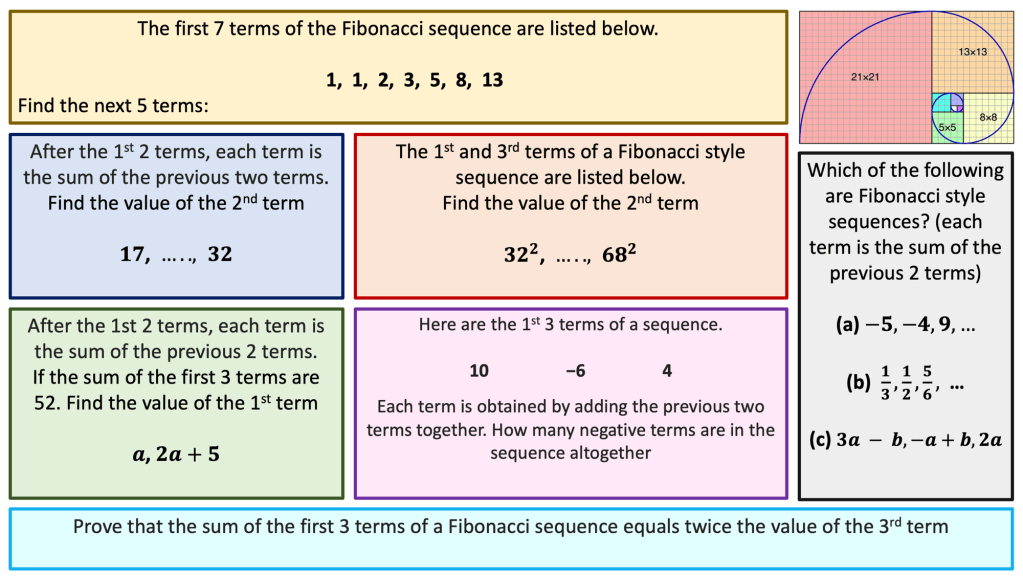
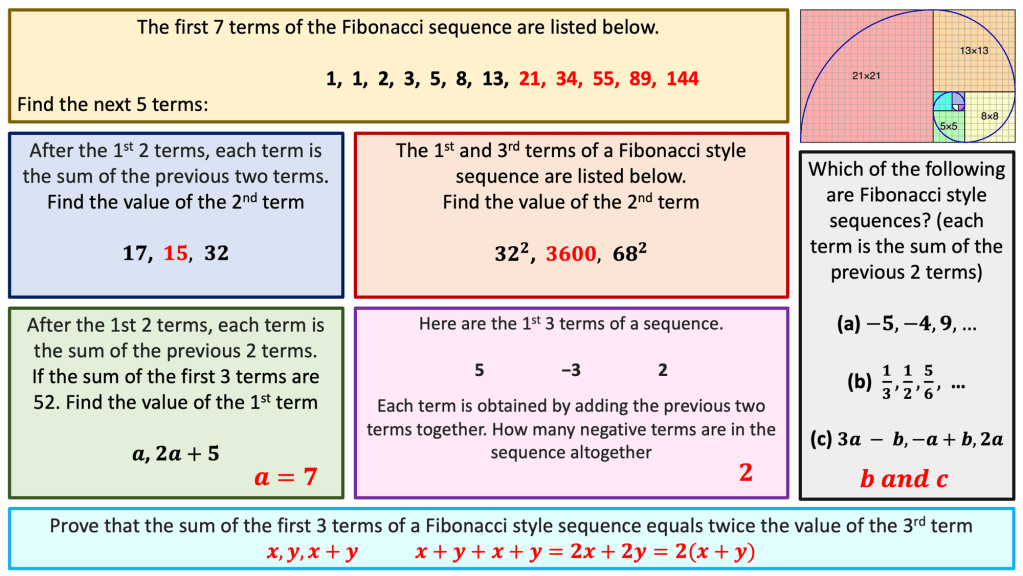
I’ve made a lot of questions for this topic on sequences. This is because I seem to be teaching to 3 different classes in different test groups plus revising it with year 11 and reviewing it with year 10 (they just sat Mocks)

Here are some questions that I’ve used recently.